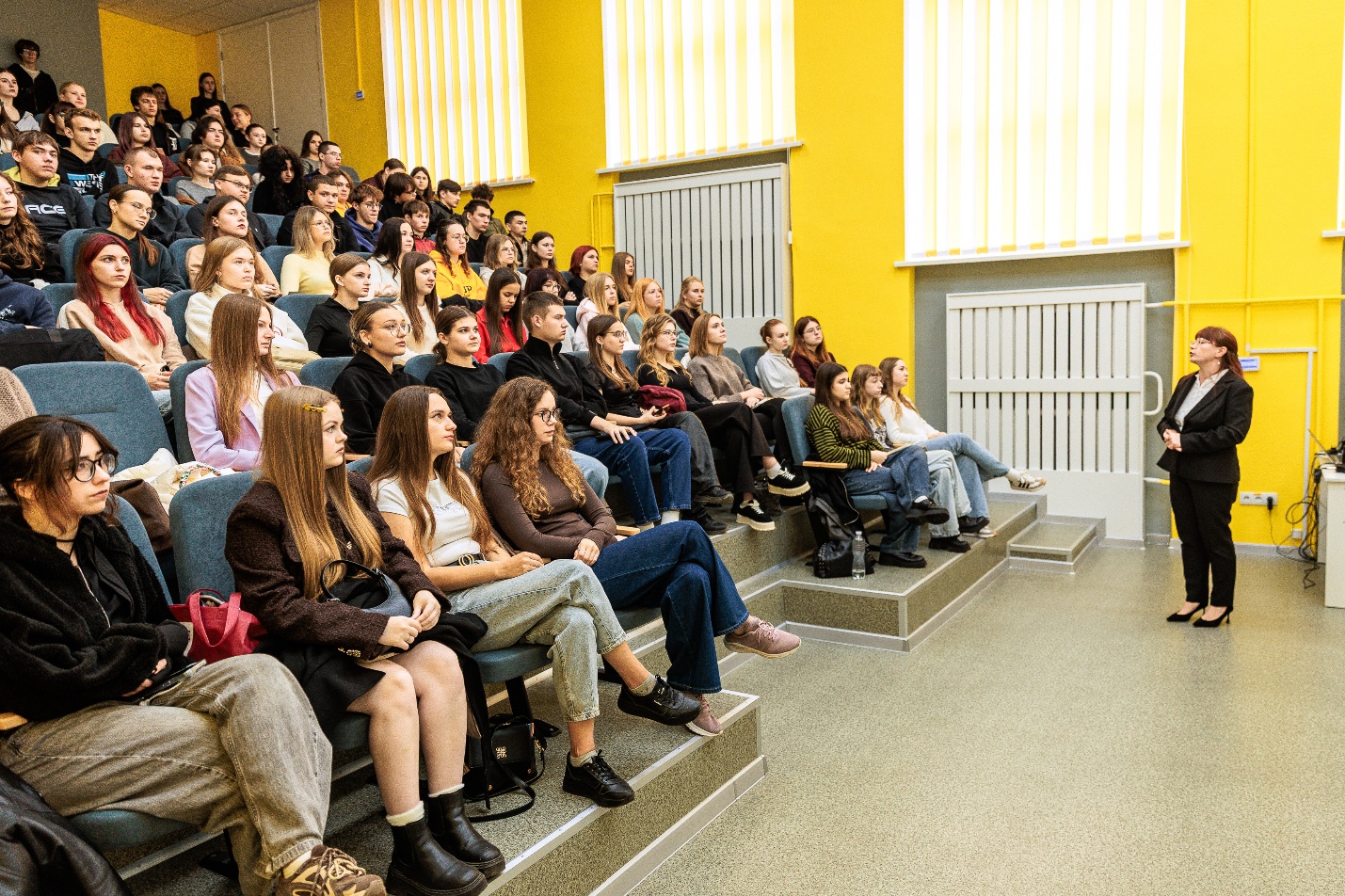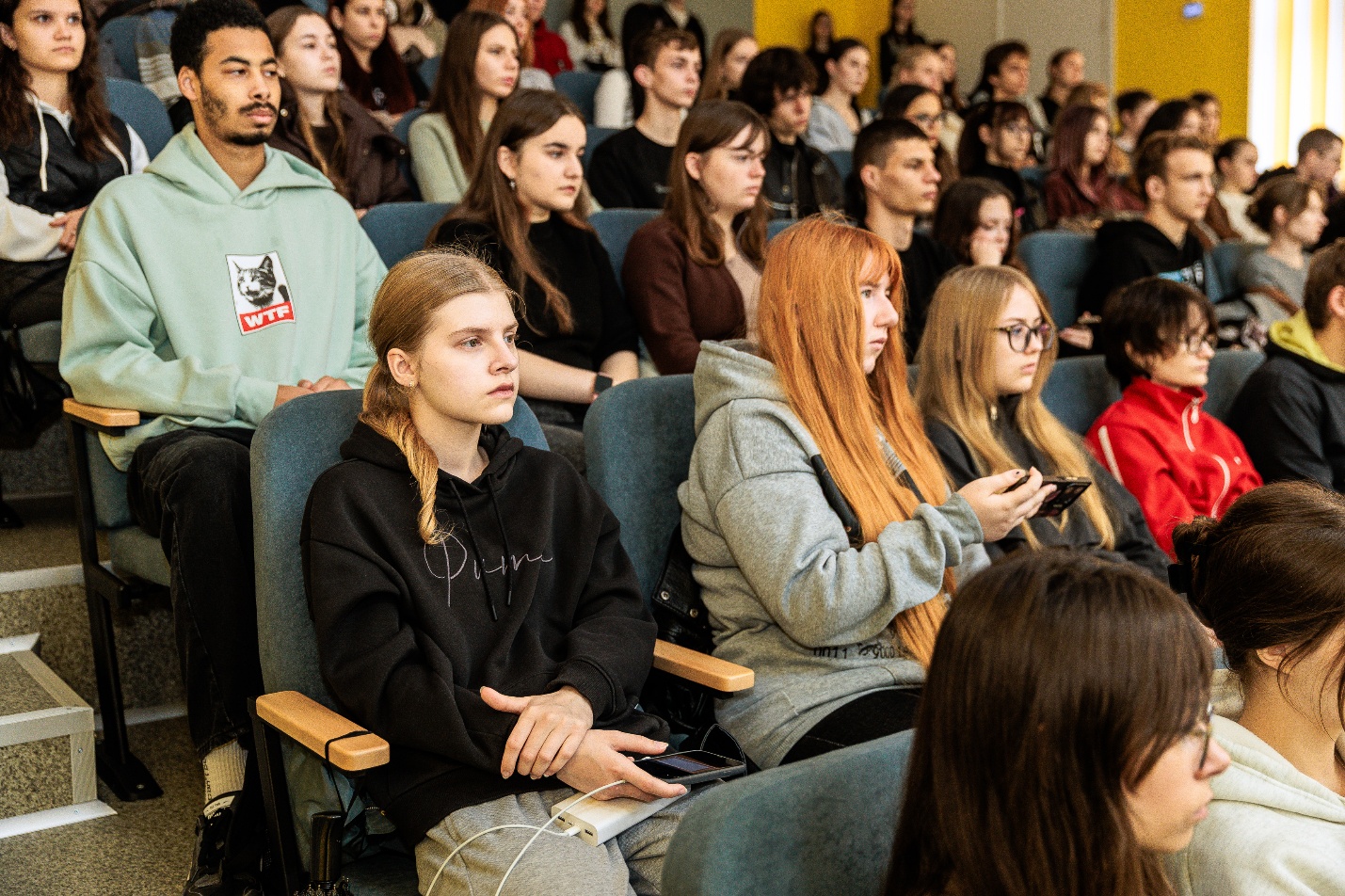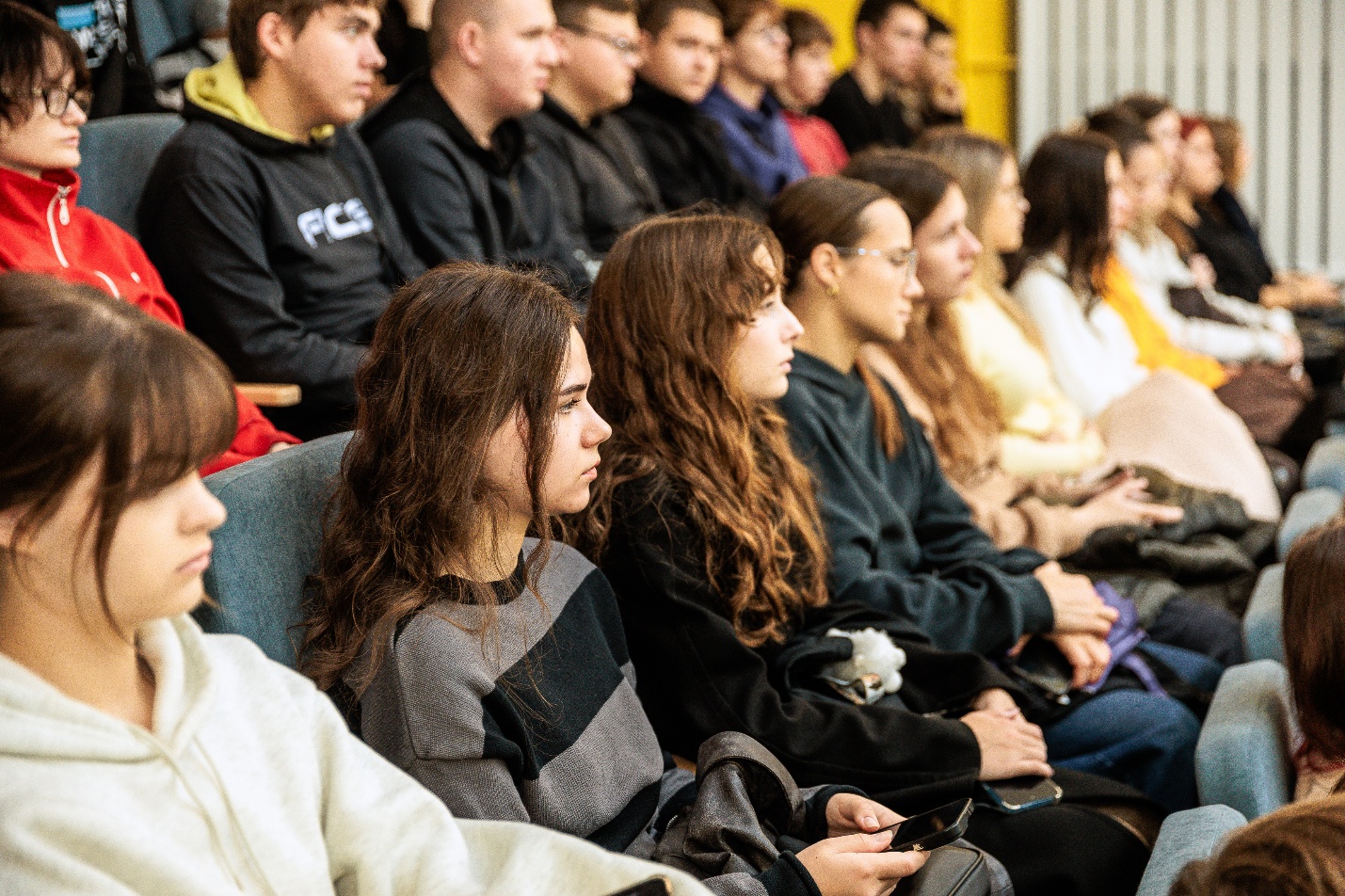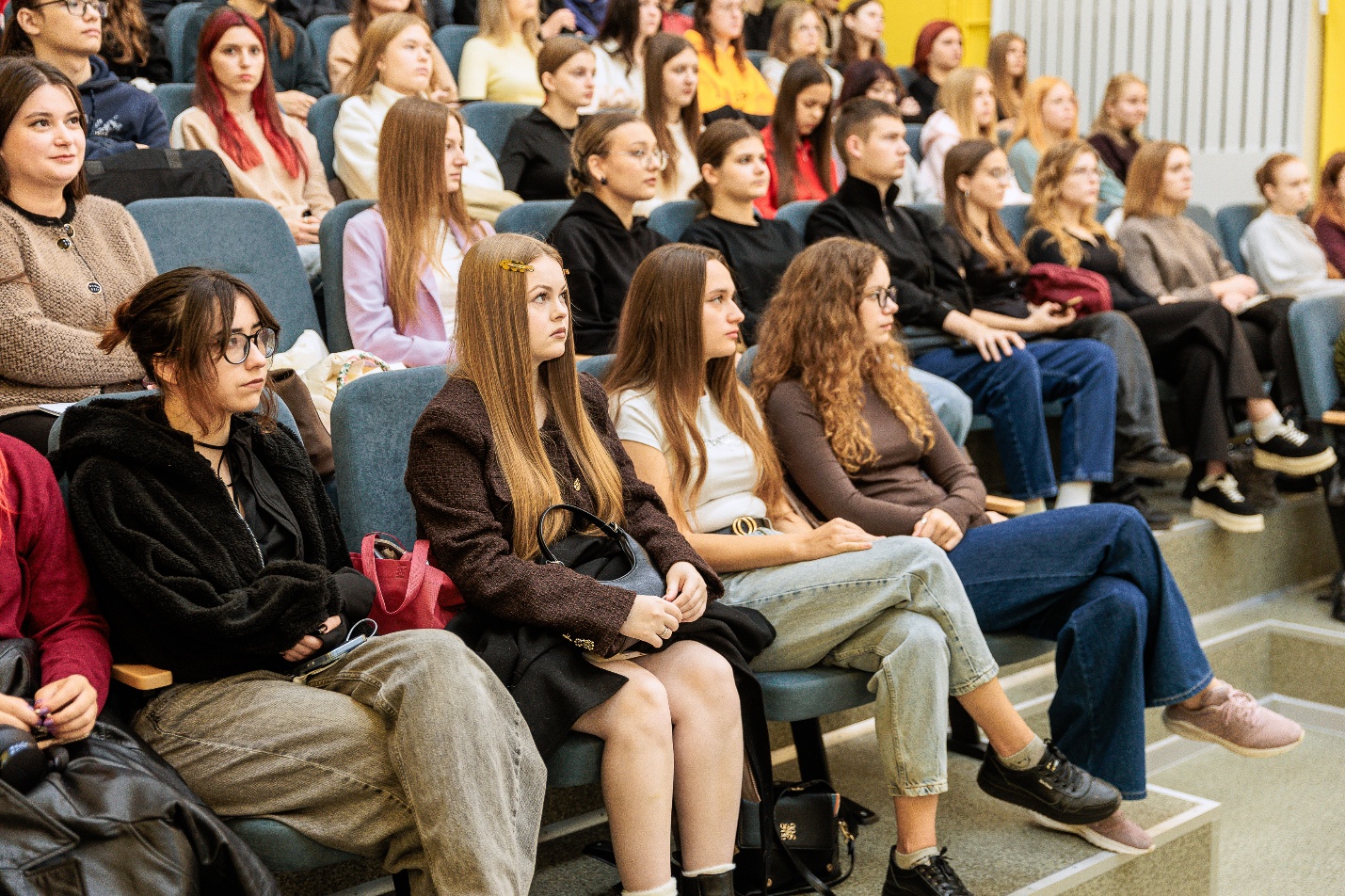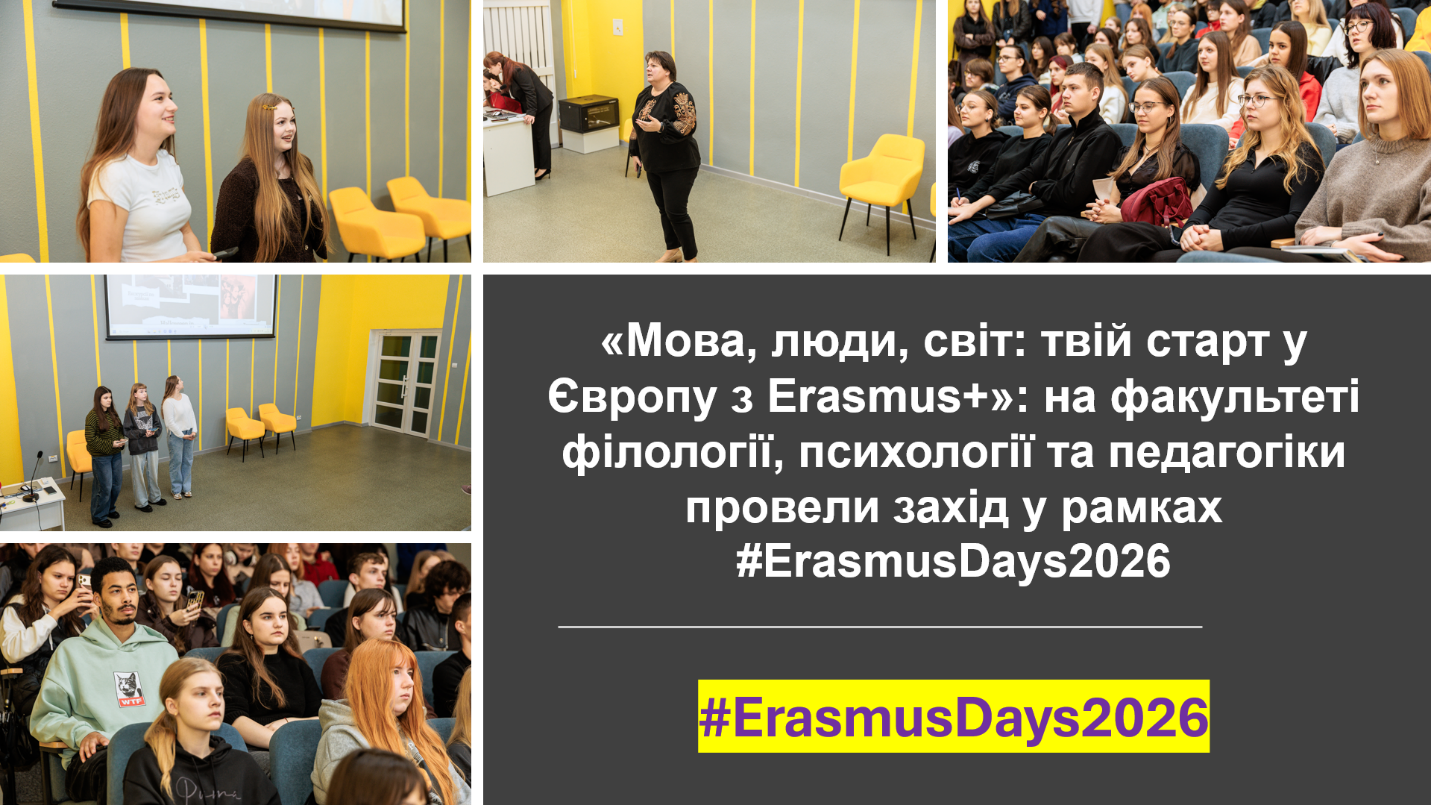
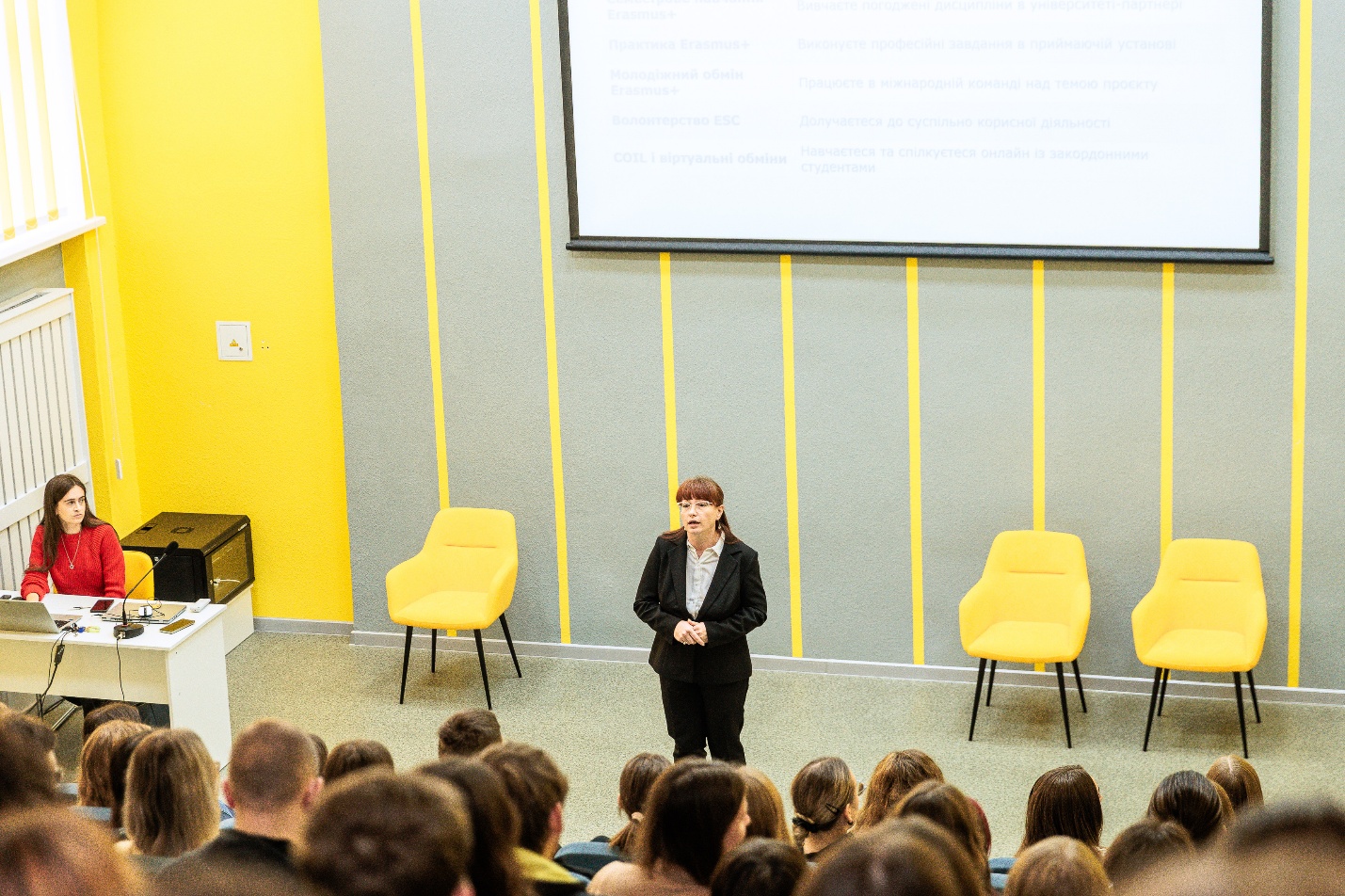
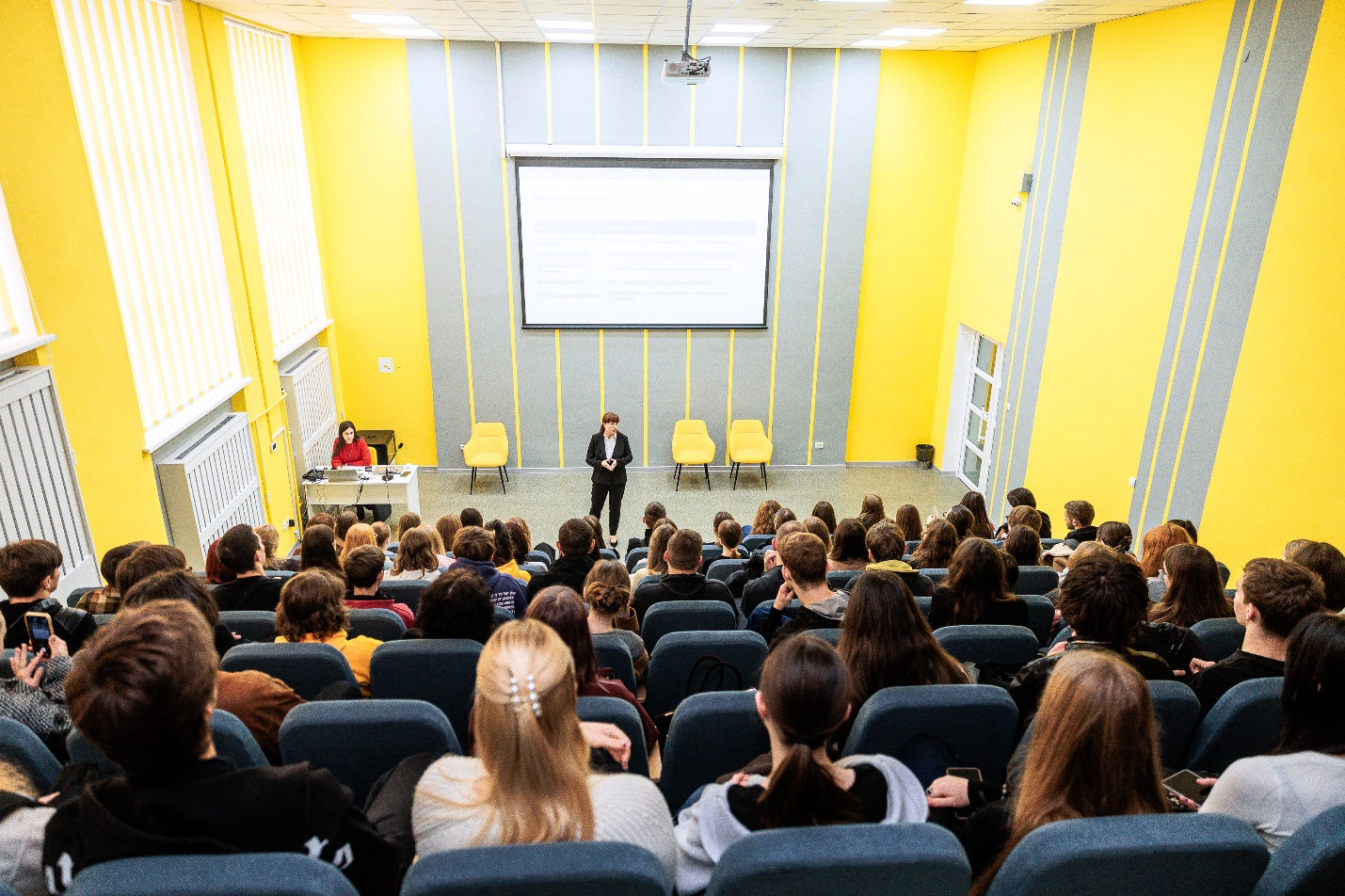
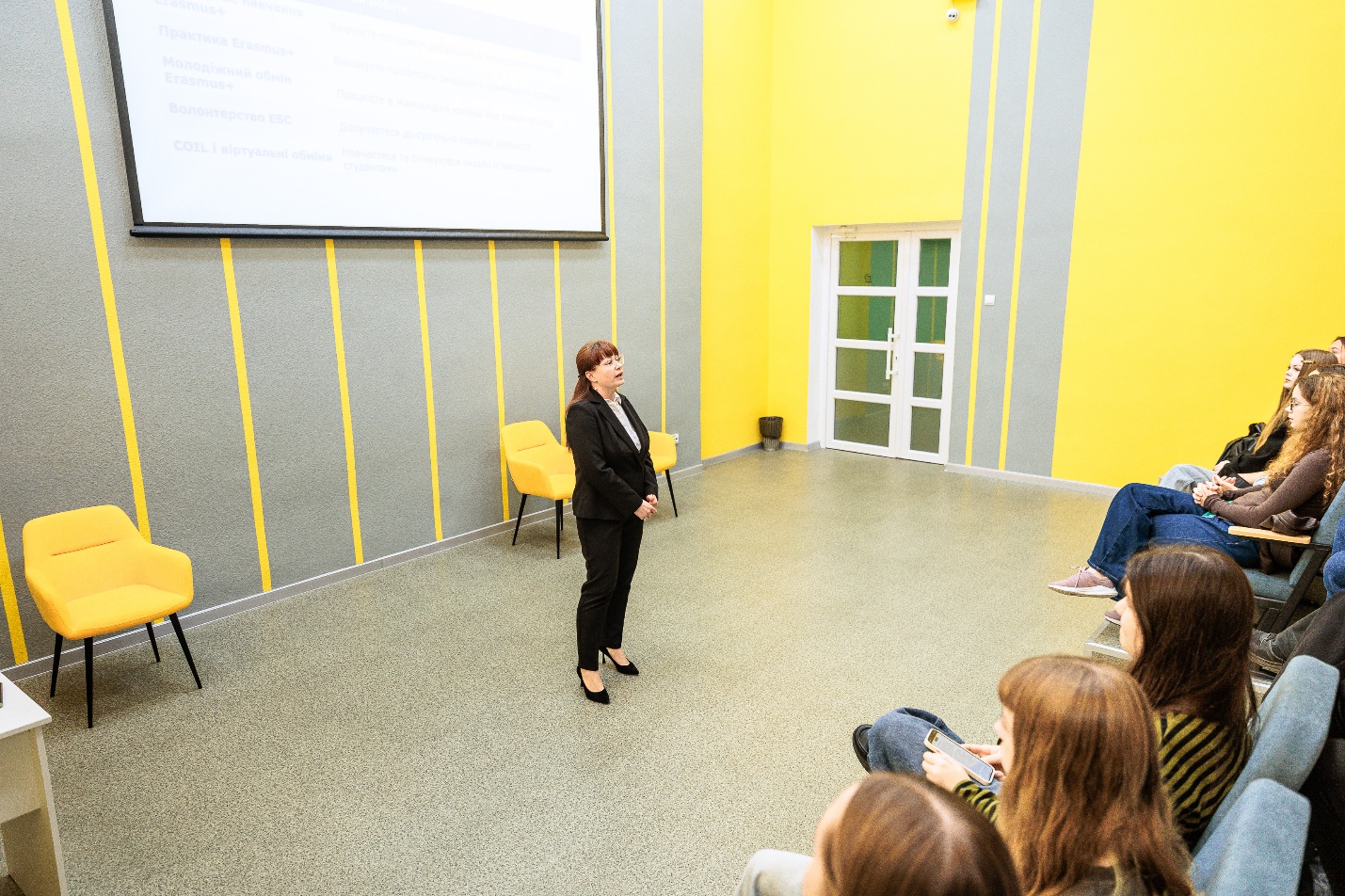
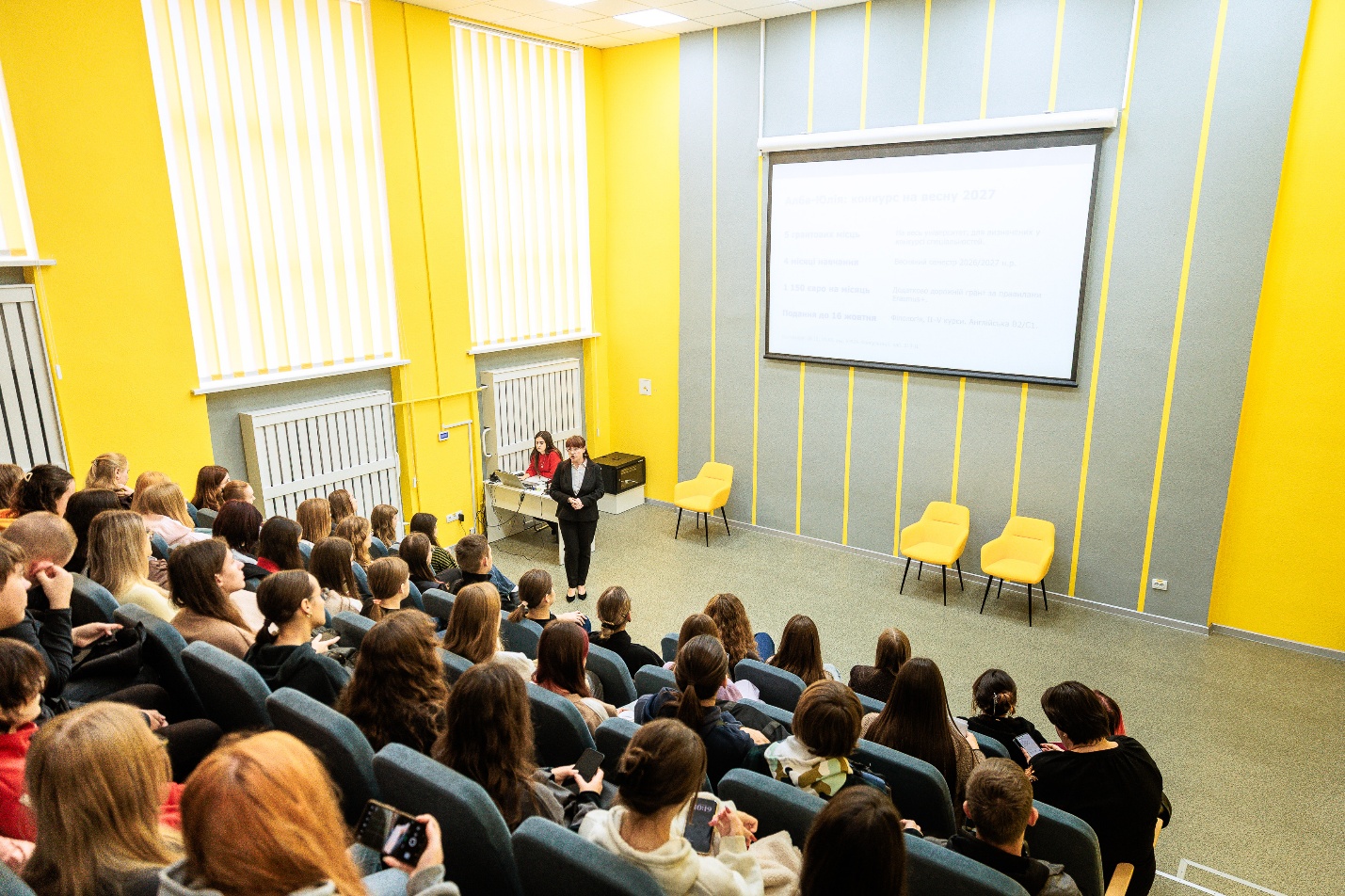
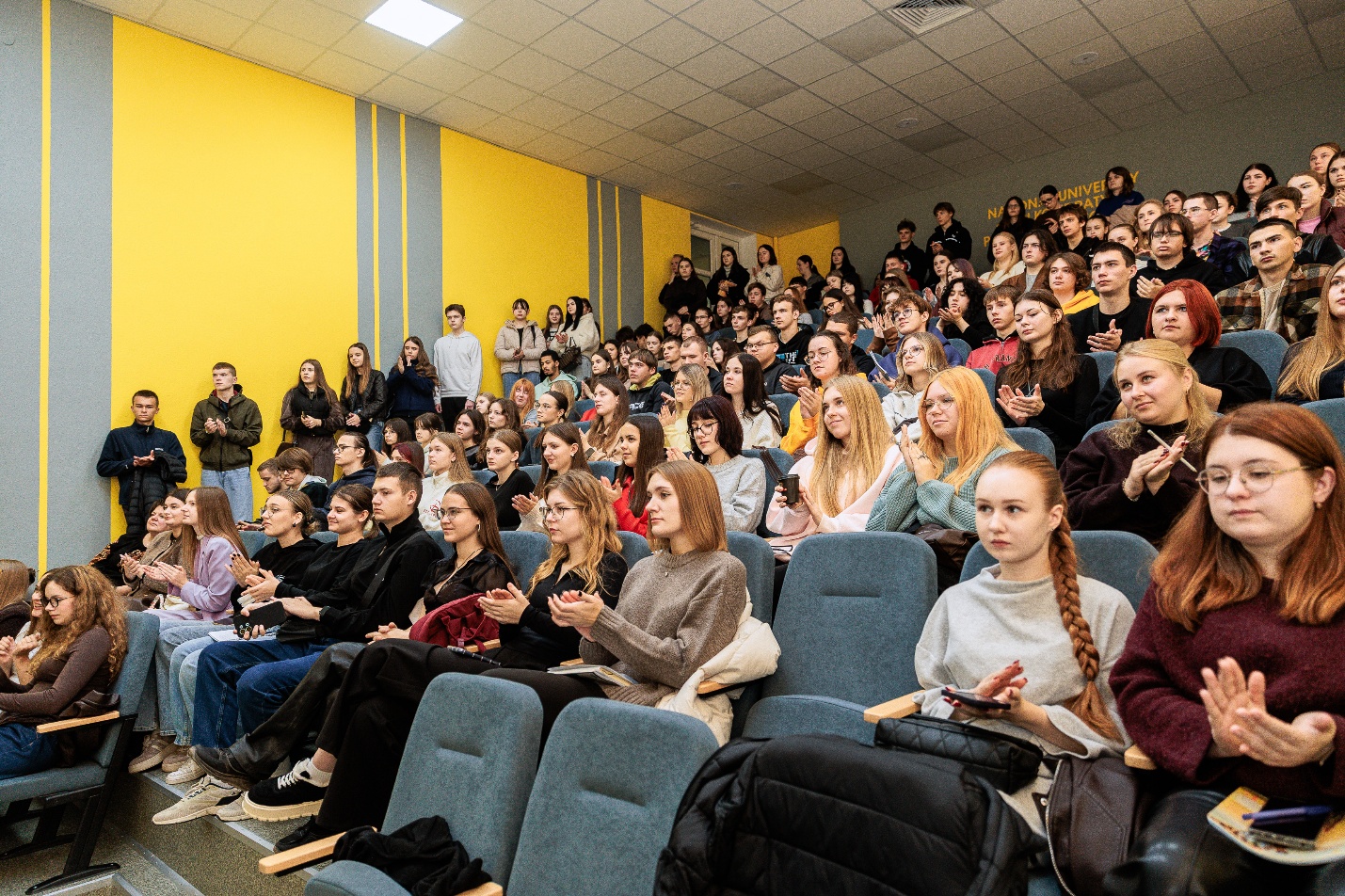
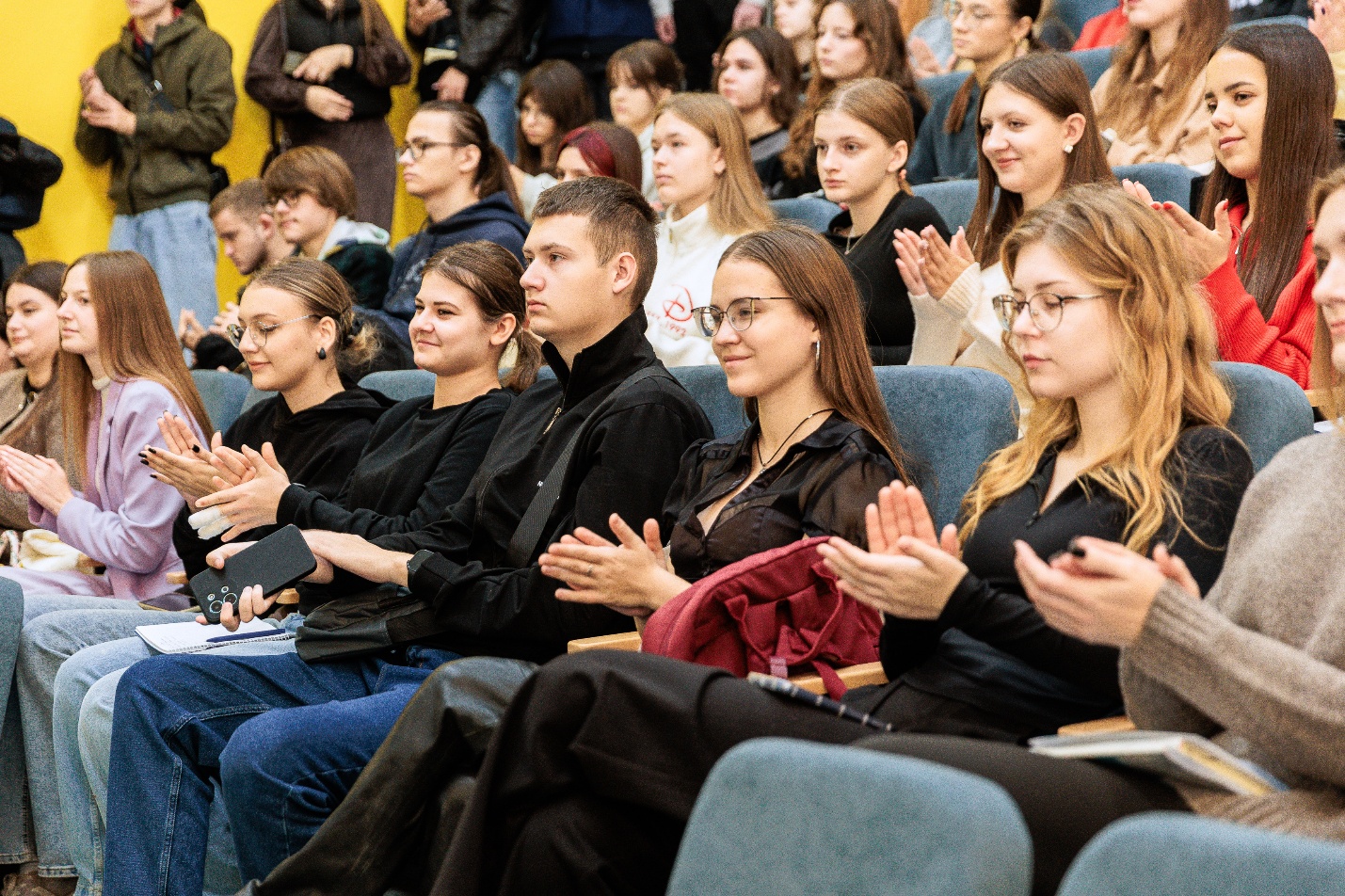
To celebrate the European Union’s global initiative #ErasmusDays2026, National University “Yuri Kondratyuk Poltava Polytechnic” hosted a large-scale open meeting, “Language, People, World: Your Start to Europe with Erasmus+”. The event took place on October 14, 2026, in Auditorium 202-A, and brought together undergraduate, master’s, and postgraduate students, as well as academic staff from the Faculty of Philology, Psychology, and Pedagogy. The gathering focused on diverse forms of international academic mobility, semester-long study, professional internships, and traineeships offered to Ukrainian youth through the European Erasmus+ programme.
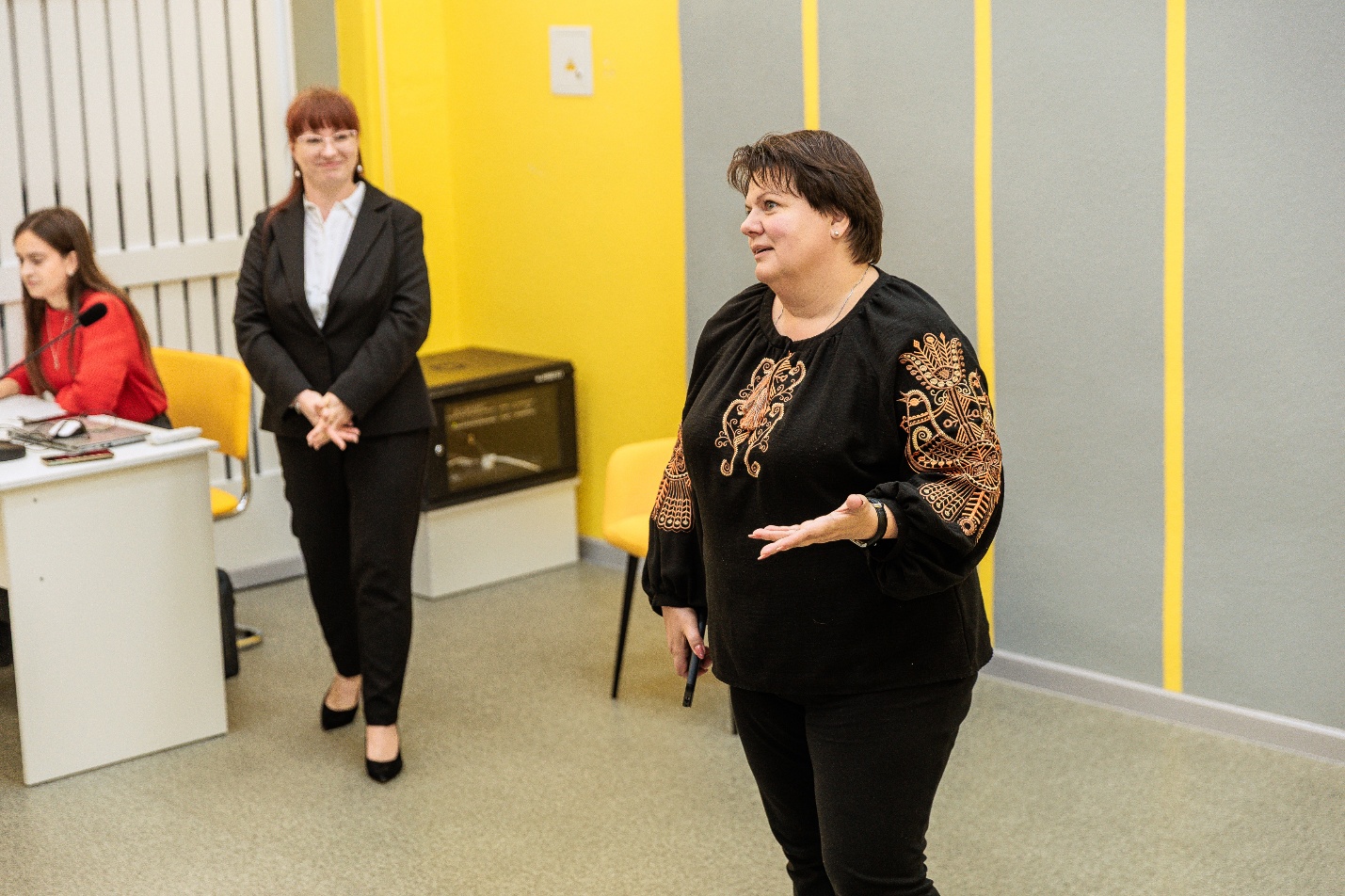
Anna Aheicheva, Dean of the Faculty of Philology, Psychology, and Pedagogy, Candidate of Pedagogical Sciences, Associate Professor, delivered the welcoming address. She warmly greeted attendees on the occasion of #ErasmusDays2026. She highlighted the strategic importance of such initiatives, which offer firsthand insights into practical ways to integrate students into the global academic community. The Dean underscored the importance of studying and refining foreign languages today, noting that fluency in English and other European languages dissolves boundaries, eliminates communication barriers, and serves as the cornerstone for developing highly competitive humanities professionals. Anna Aheicheva also noted that participating in international projects builds resilience and nurtures leadership qualities, urging students not to hesitate to take bold steps to acquire new knowledge and explore the world during their university years.
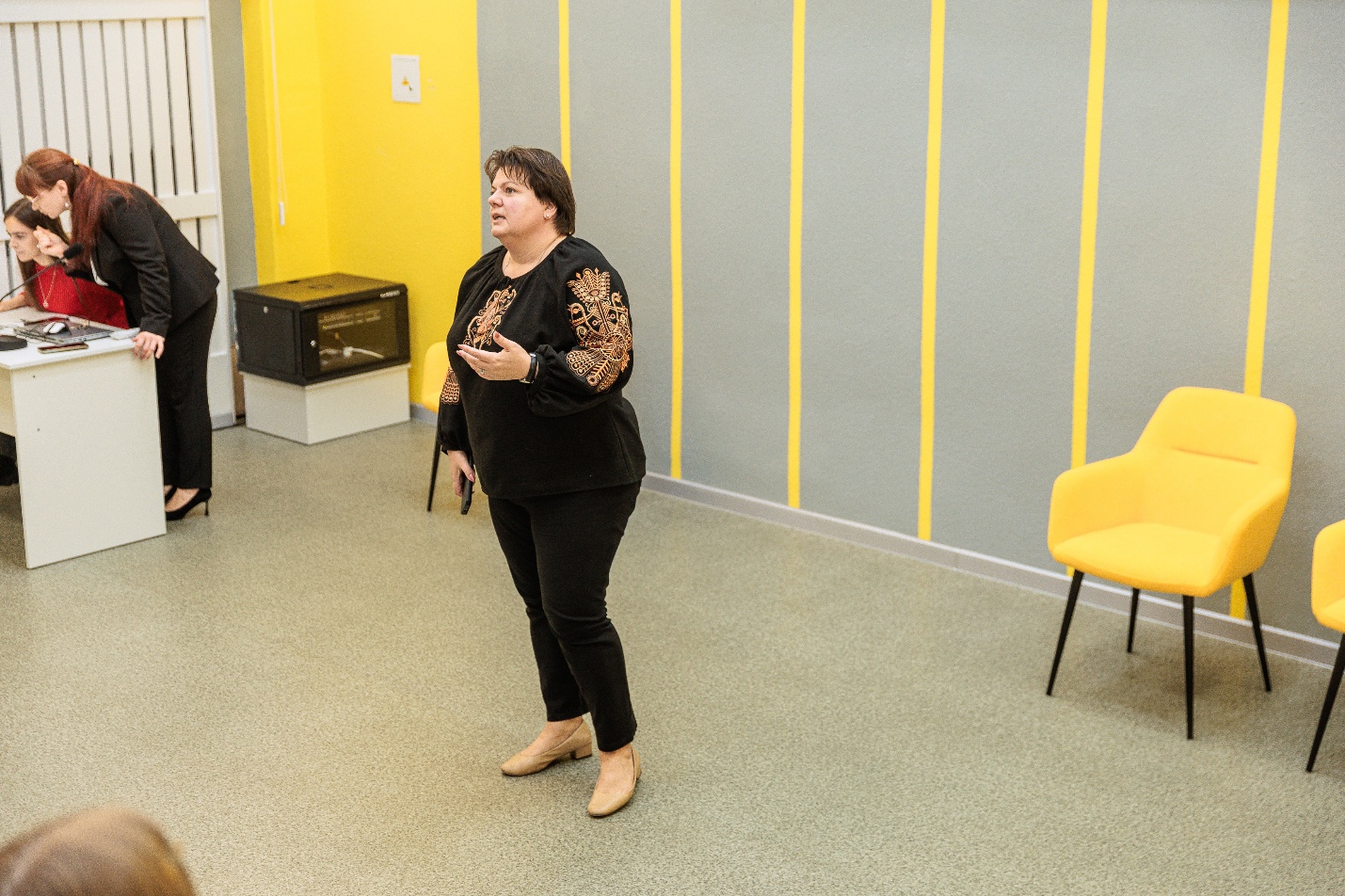
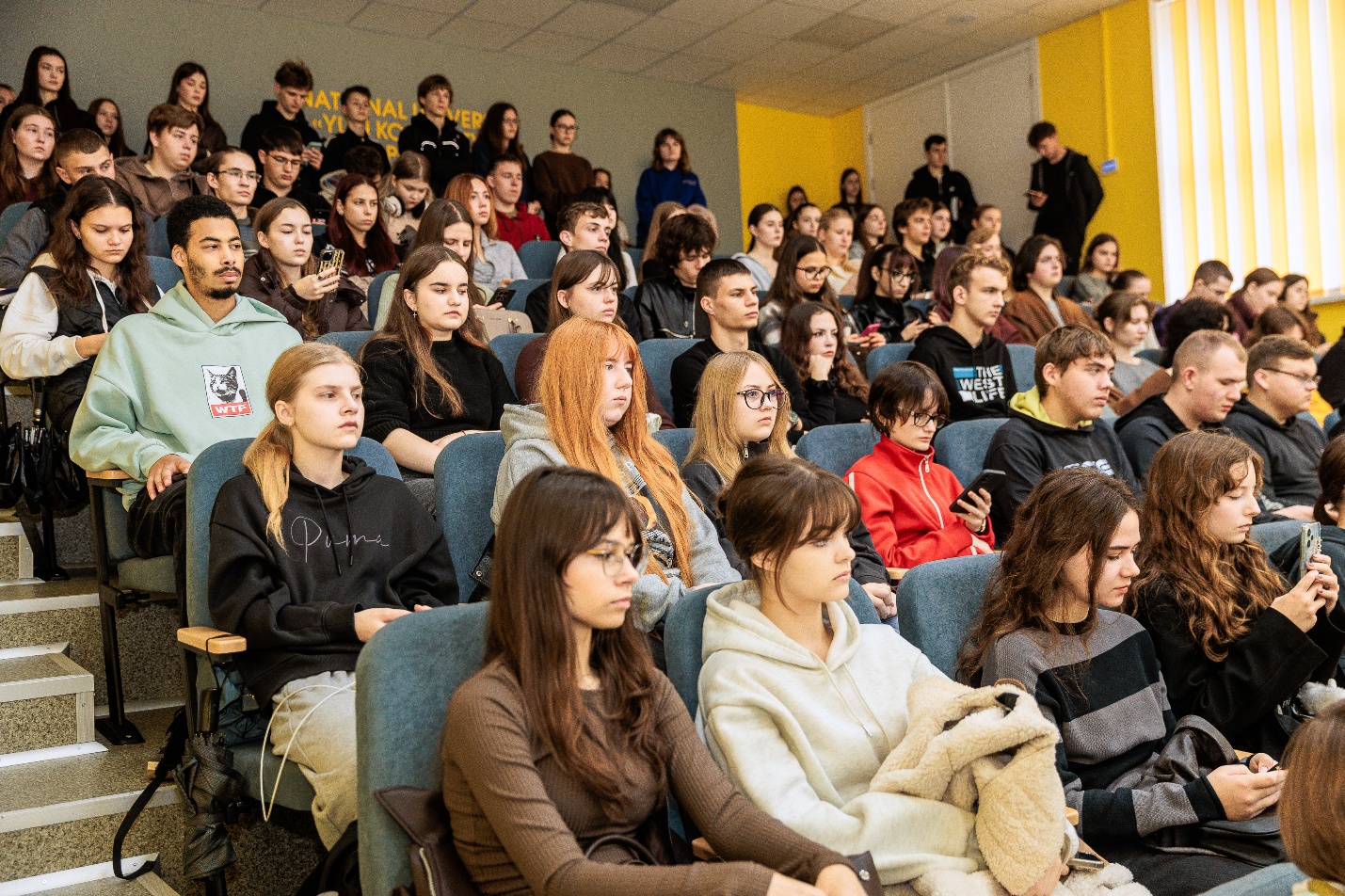
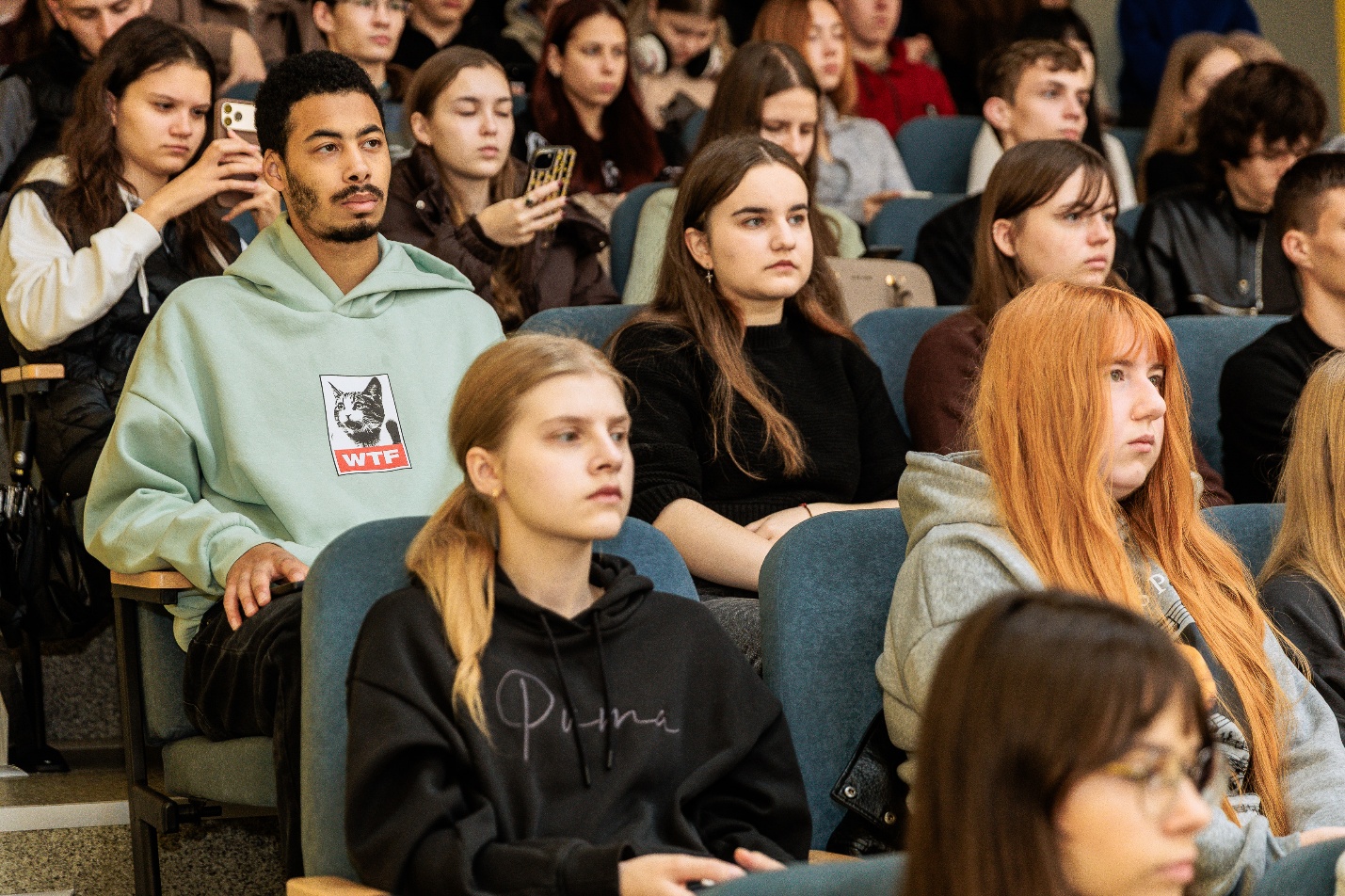
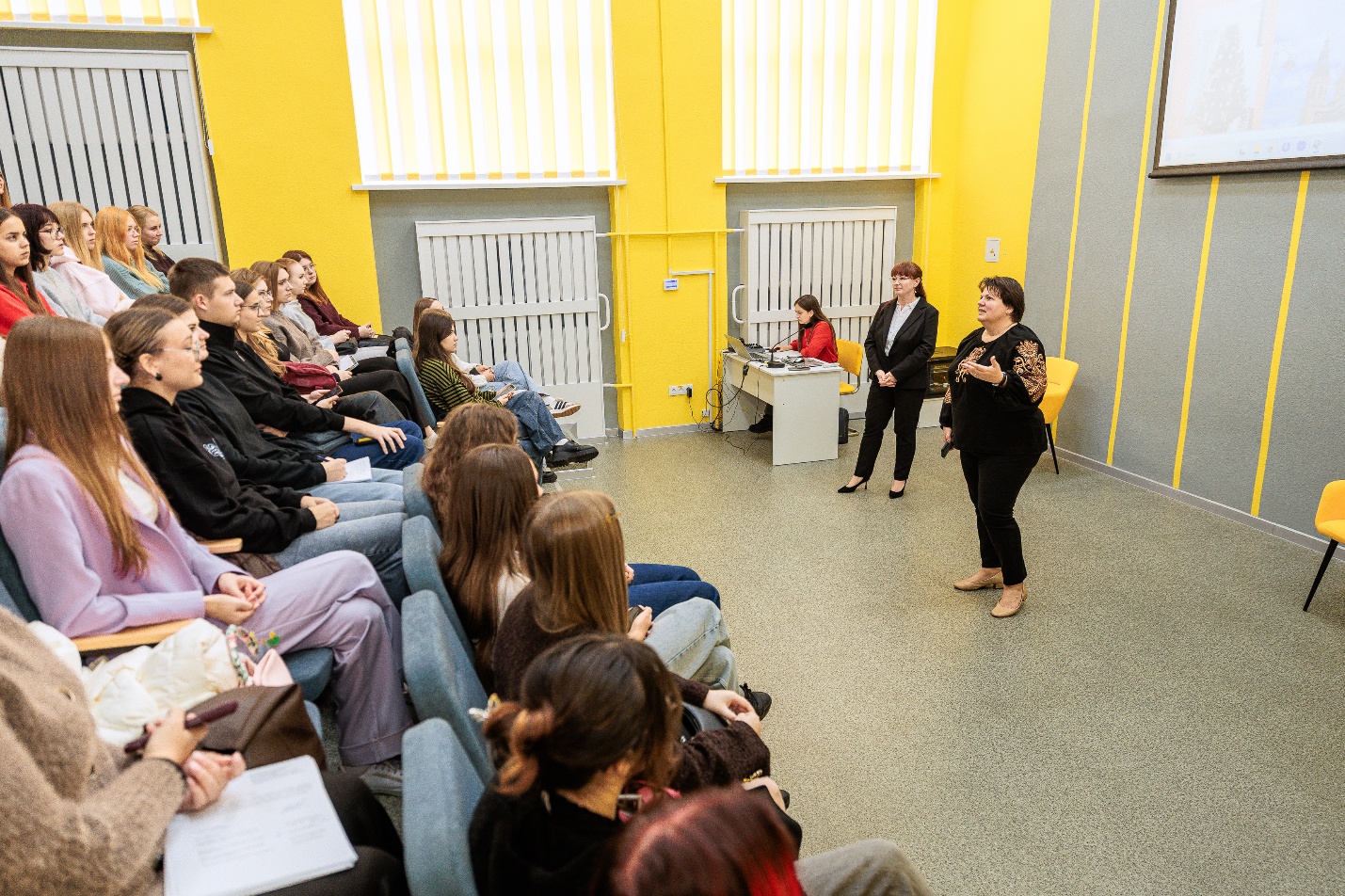
The University’s International Relations Coordinator, PhD, and Associate Professor in the Department of Germanic Philology and Translation, Anna Pavelieva, presented a comprehensive review of the faculty’s international cooperation outcomes for 2023–2026. During this period, humanities students completed internships at nine leading universities across seven European countries: Austria, Estonia, Germany, Lithuania, Portugal, Romania, and Spain. The speaker provided an extensive overview of available engagement formats, ranging from semester-long academic mobility and practical training to short-term youth exchanges, European Solidarity Corps (ESC) volunteer missions, Collaborative Online International Learning (COIL) courses, and the newly established large-scale Erasmus+ Virtual Exchanges program “Virtual Voyages”.
The coordinator’s address emphasised the formal application procedures and guarantees of academic recognition. Anna Pavelieva explained the course selection approval process and the completion of the tripartite Learning Agreement, which ensures that all educational components completed at partner higher education institutions are fully transferred and recognised under the ECTS system at Poltava Polytechnic without incurring academic discrepancies. The coordinator also announced the open call for applications for the Spring semester of the 2026/2027 academic year at the “1 Decembrie 1918” University of Alba Iulia (Romania).
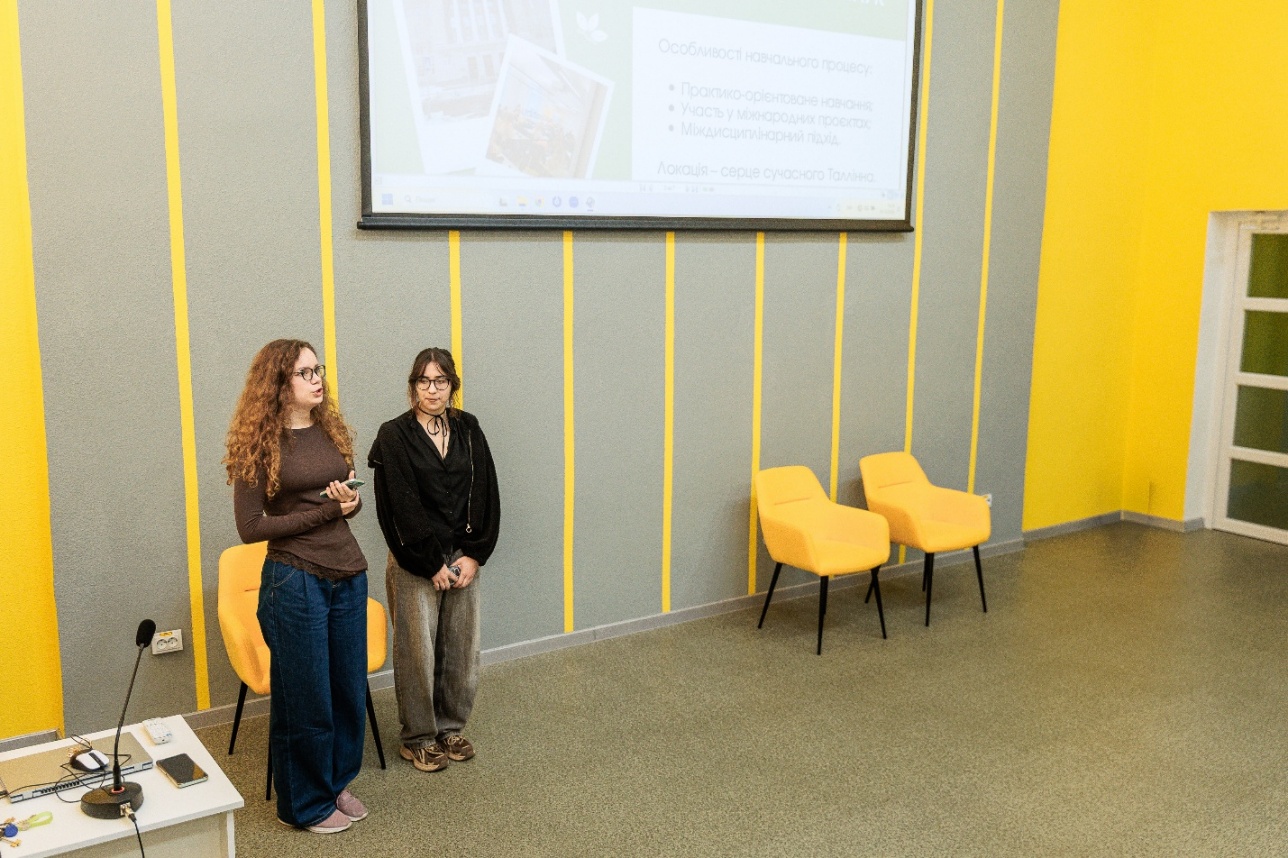
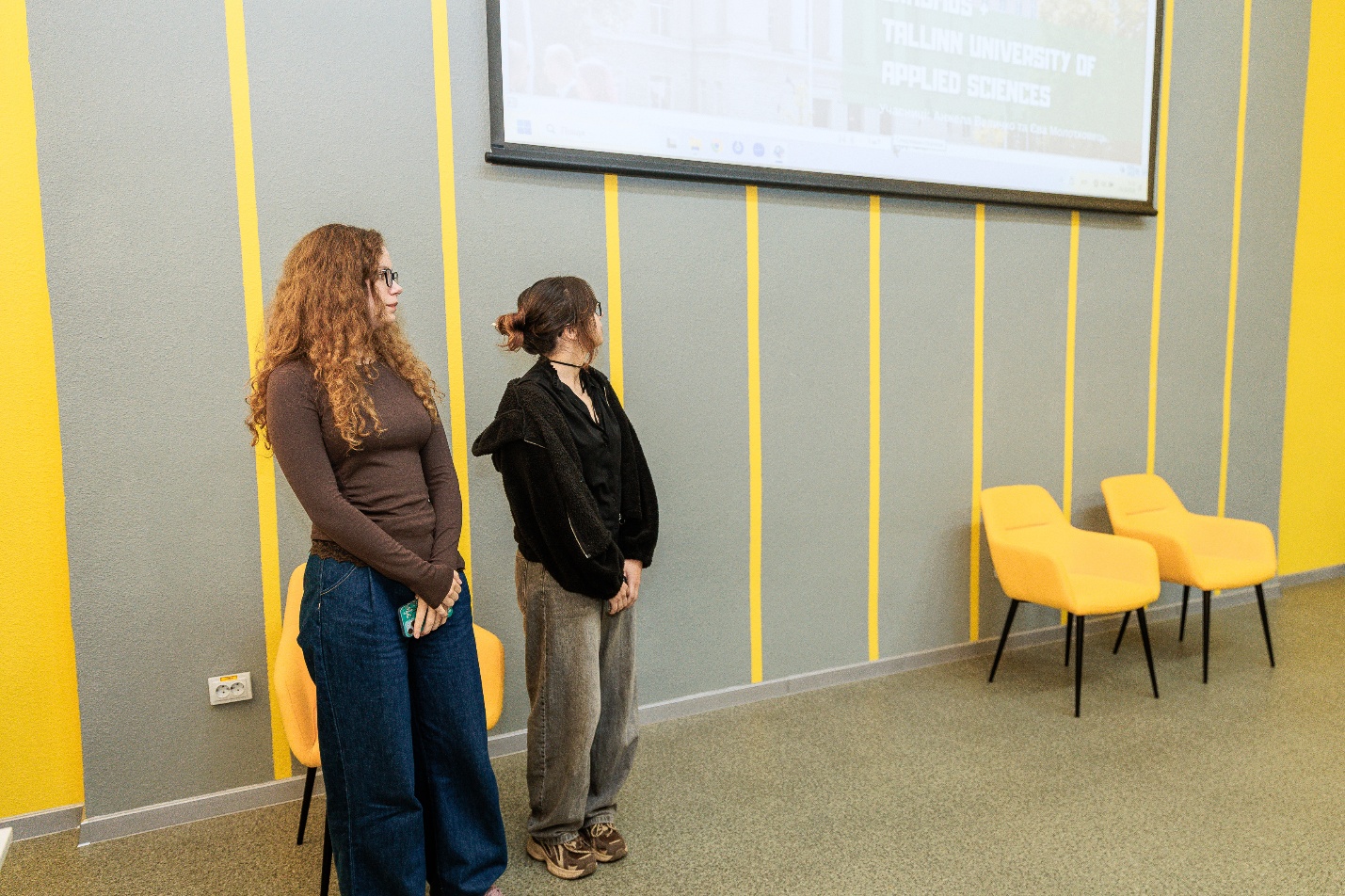
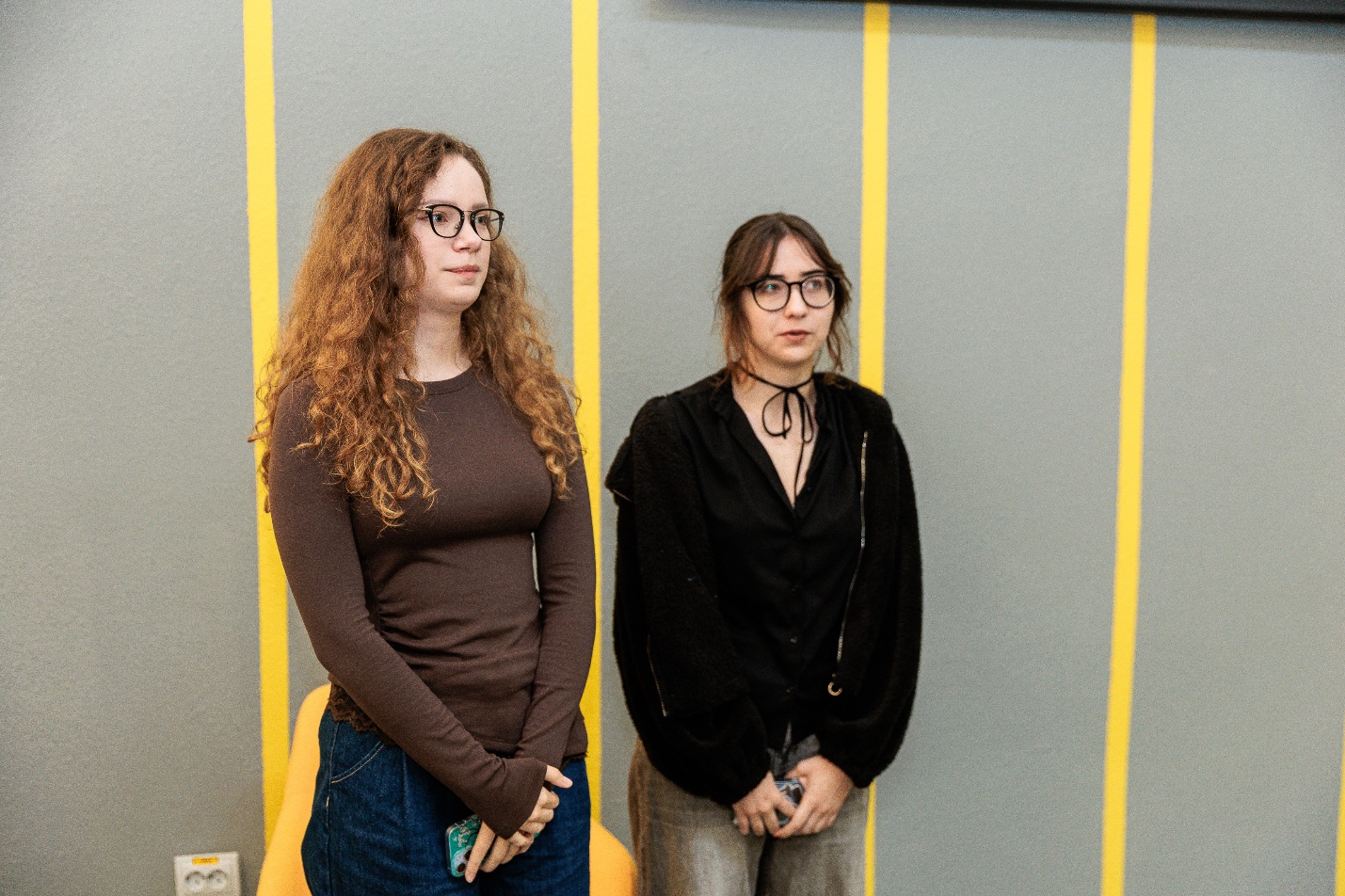
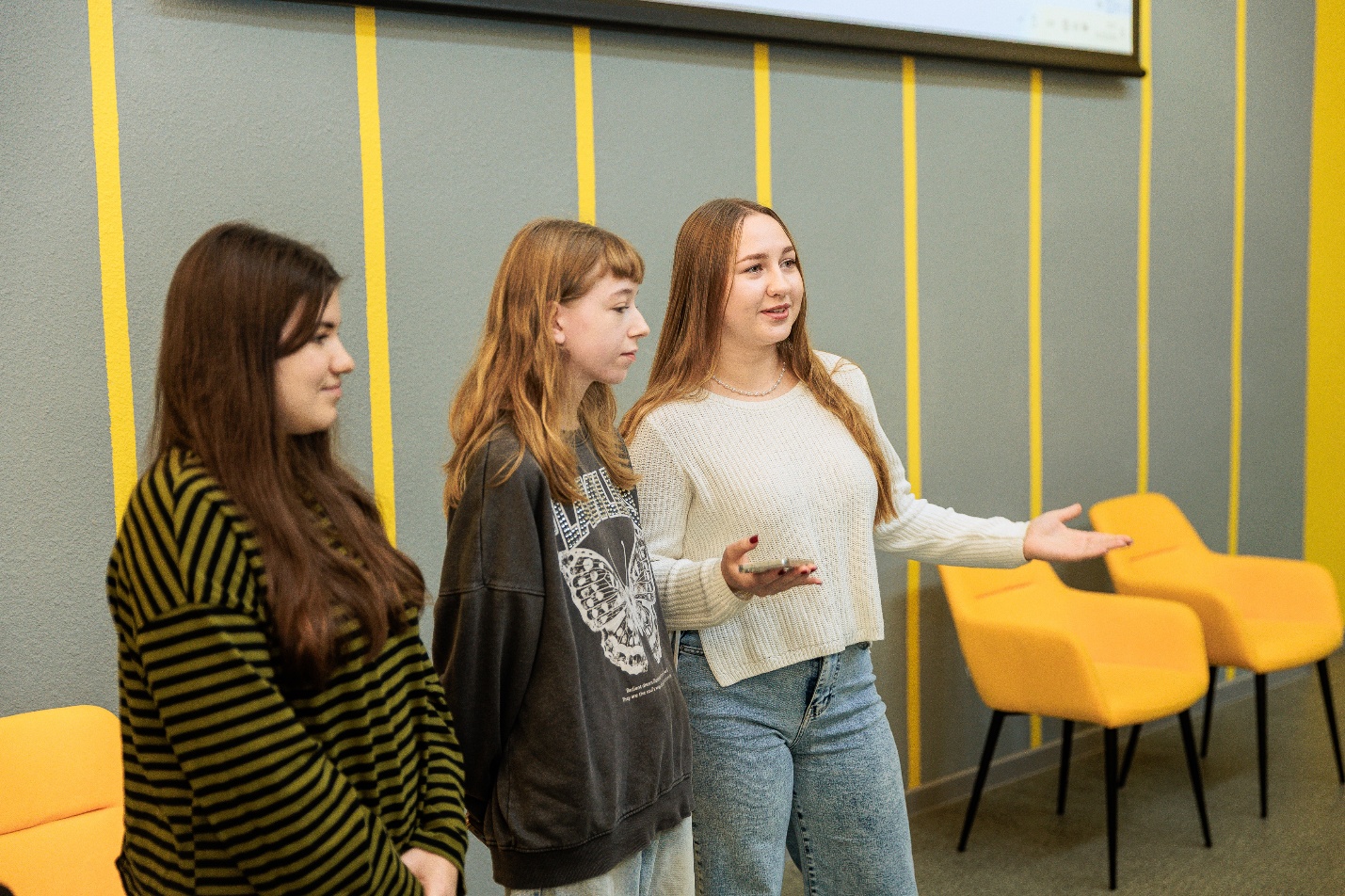
The practical segment of the meeting continued with firsthand accounts from students who had recently returned from international mobility programs, sharing their professional and personal experiences. Fourth-year students majoring in 035 “Philology”, Anzhela Velychko (group 401-FF) and Yeva Molotkovets (group 402-FF), delivered a detailed presentation on their semester-long studies at Tallinn University of Applied Sciences (TTK UAS) in Estonia during the spring semester. The students shared a presentation and a video diary showcasing the campus’s modern technological spaces, interactive classes in technical and business English, practical coursework in specialised translation, as well as a course in Estonian language, culture, and entrepreneurship. They praised the Estonian education system's practice-oriented approach, collaborative projects with local peers, the nation’s environmental ethos, dynamic extracurricular activities organised by ESN Tallinn, and enriching journeys across Finland, Norway, and Lithuania.
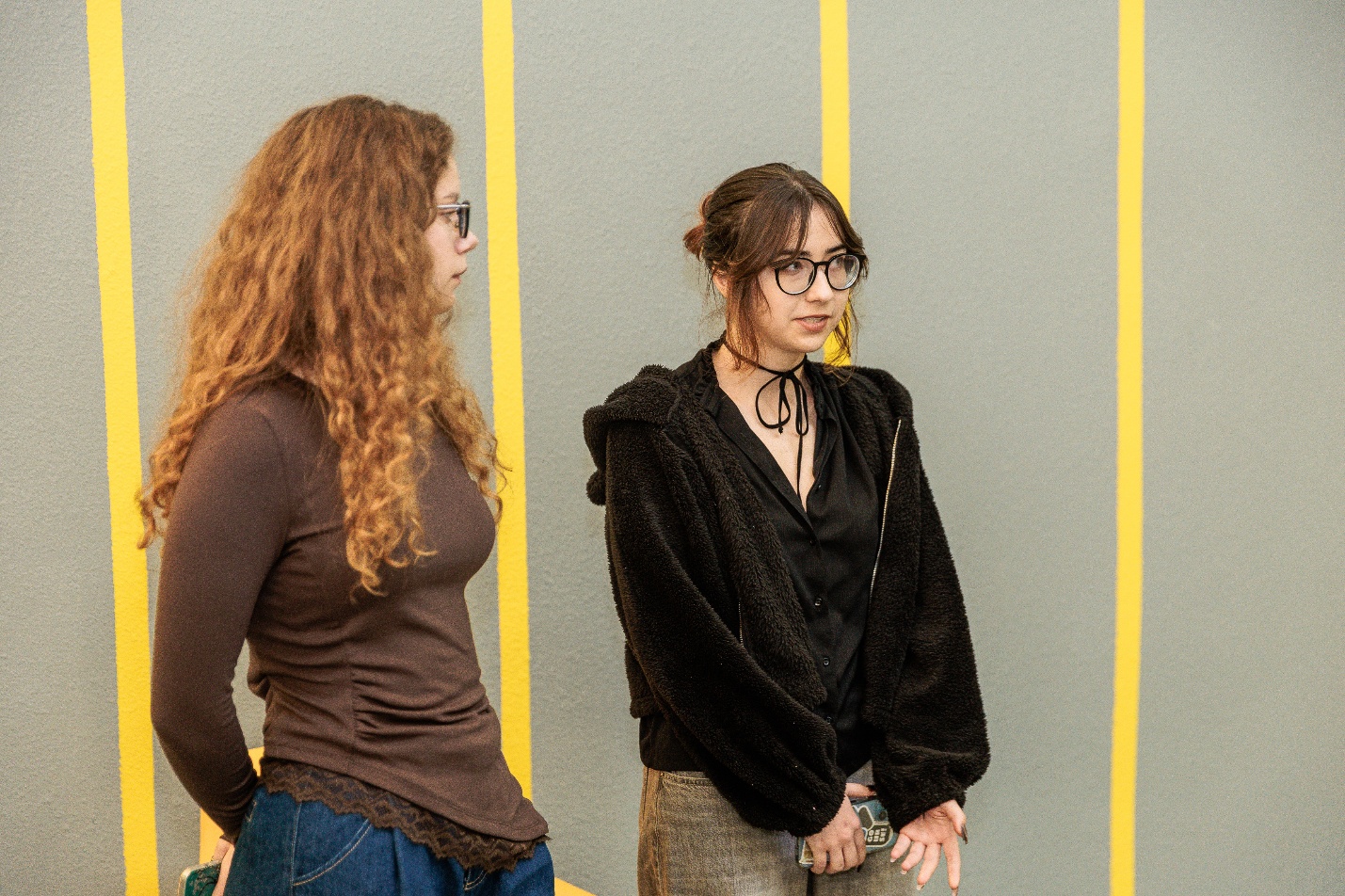
Fourth-year students majoring in 035 “Philology”, Khrystyna Natalchuk and Yelyzaveta Samoilenko (group 401-FF), enthusiastically shared their impressions of completing an internship at the Polytechnic Institute of Porto (P.PORTO / ISCAP) in Portugal. The future translators worked in the host institution’s international office, helping prepare and coordinate a major International Week attended by scholars and faculty from over 50 countries. Beyond their daily translation and organisational duties, the students actively immersed themselves in the cultural life of Porto, visited Lisbon, Sintra, and the island of Madeira, and experienced the vibrant traditions of the renowned student festival Queima das Fitas, recounting the traditional colored top hats worn by various faculties, the ceremonial cane taps for good luck, and the open-air evening concerts.
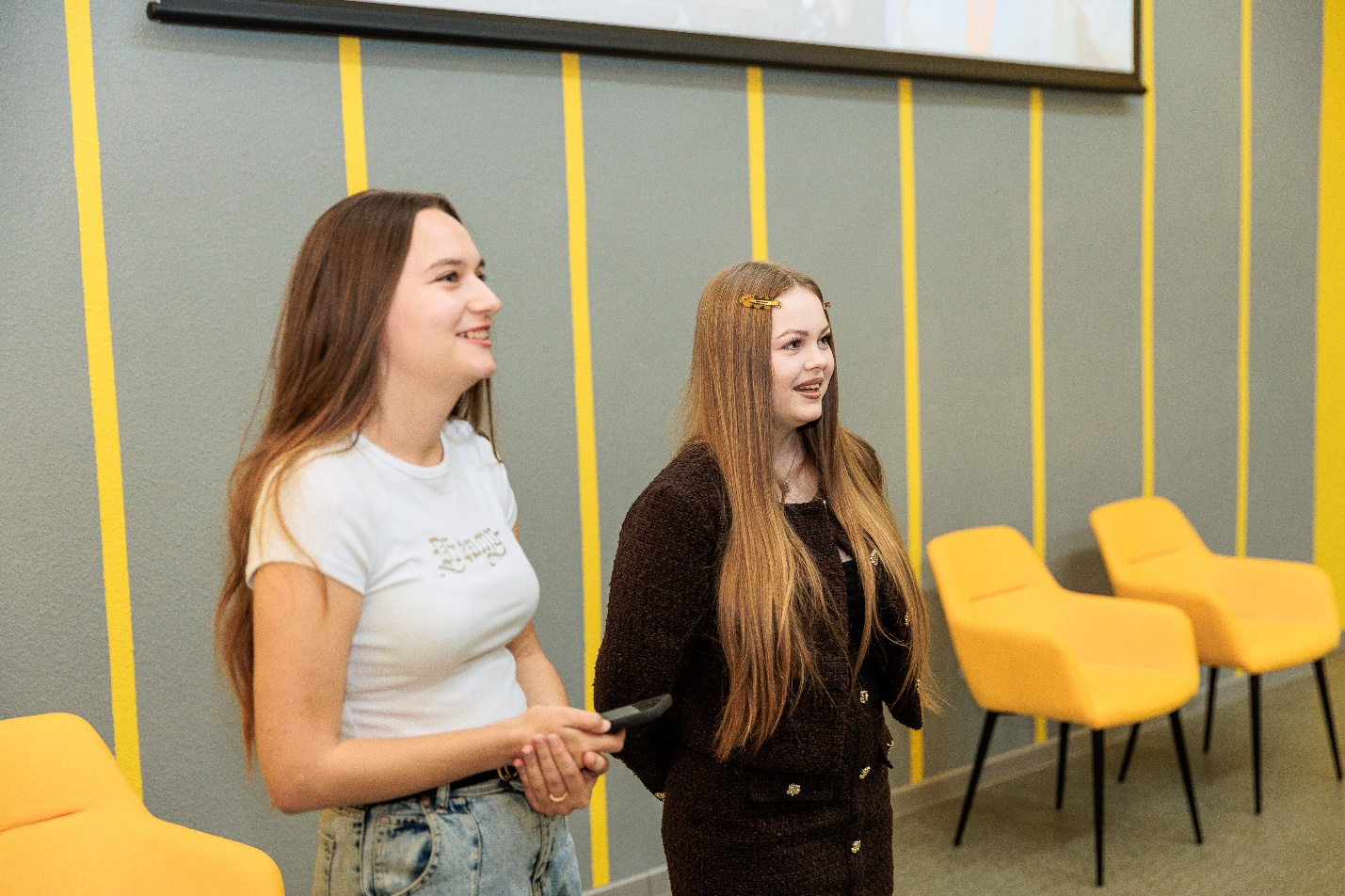
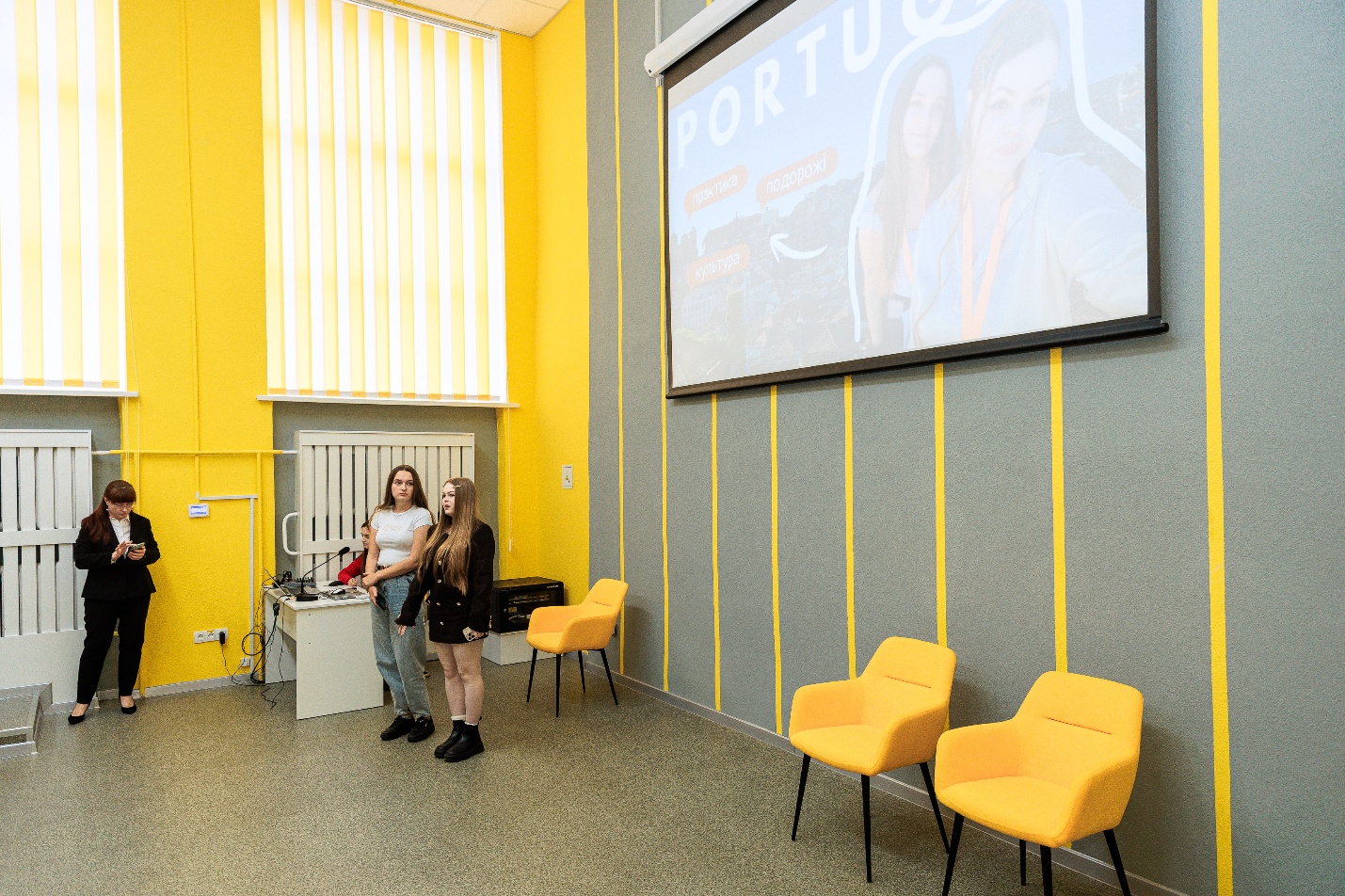
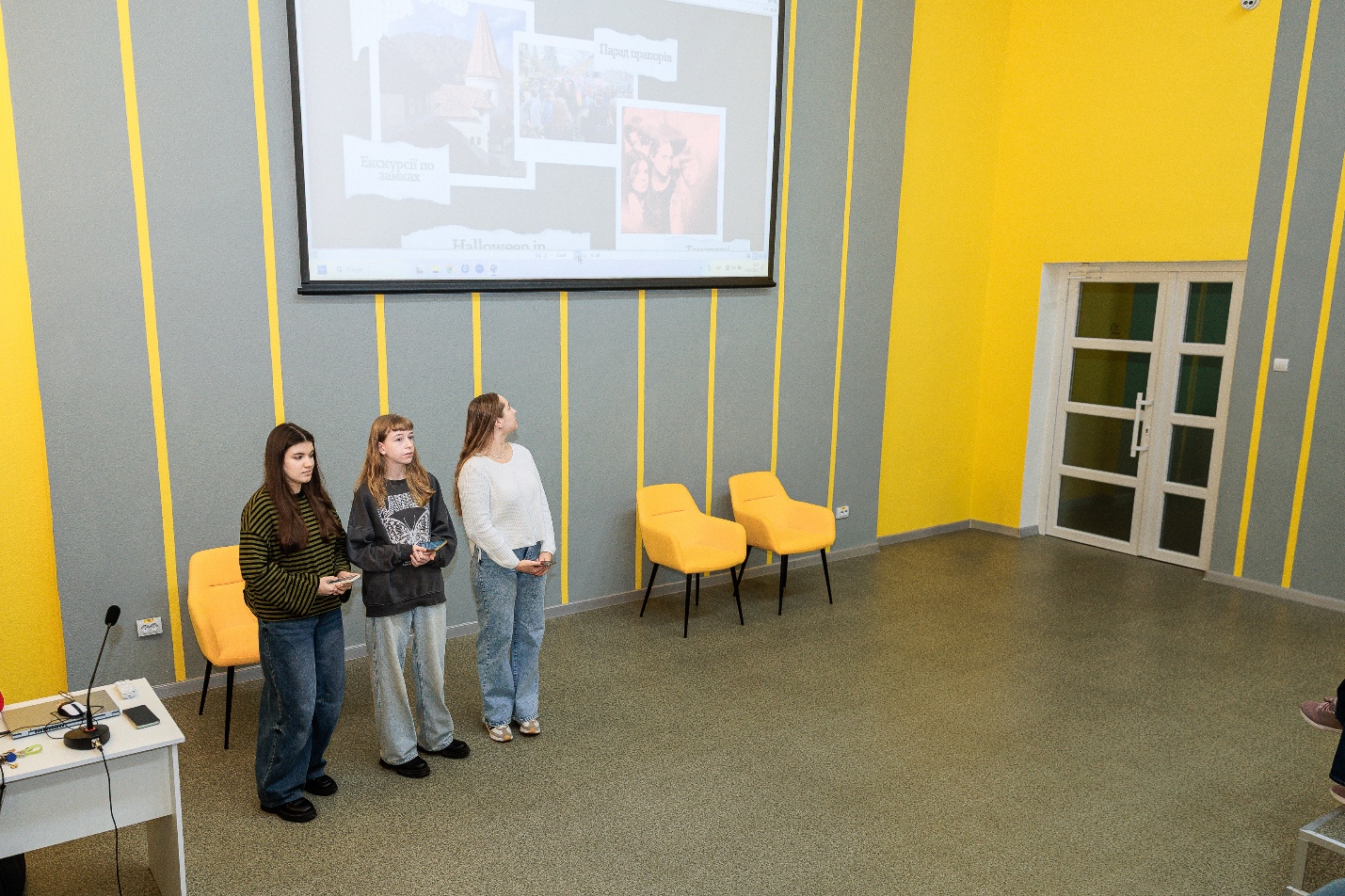
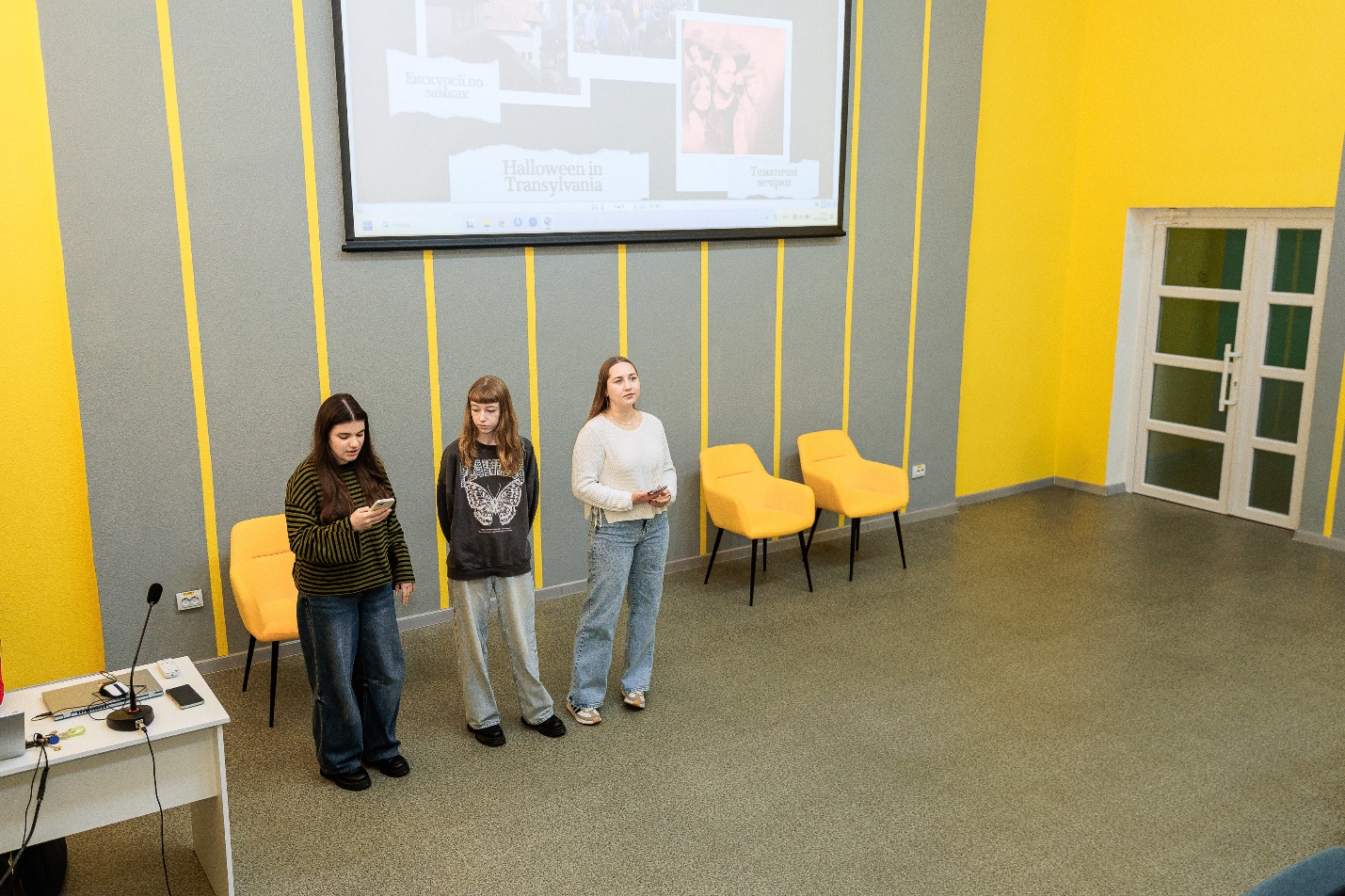
A comprehensive and emotionally compelling joint report was presented by students majoring in 035 “Philology” – Olesia Suzdaltseva (group 401-FF), Diana Savchenko (group 402-FF), and master’s student Daria Lavrenko (group 501-FF) – who summarised their extensive year-long mobility experience, spanning an autumn semester in Romania and a three-month professional internship in Portugal. The academic phase took place at the “1 Decembrie 1918” University of Alba Iulia, where the curriculum was distinguished by thoughtful differentiation: ranging from lecture-based courses such as “Verbal and Written Communication Techniques” and “Discourse Analysis”, and practical courses including “English Terminology” and “German”, to integrated subjects like “Translation Theory and Practice” and “Semantics”. The classes featured creative translation practice: students analysed song lyrics, translated comic strips, compiled specialised terminology glossaries, wrote extensive literary commentaries, and practised interpreting. The speakers highlighted the European assessment system, in which students accumulated grades through ongoing research tasks and progress tests throughout the semester, with the formal examination session beginning after the winter break. Cultural immersion in Romania was enriched by initiatives organised by the local ESN team, including a guided walking tour of Alba Iulia, a hike to the rocky peak of Piatra Craivii, international culinary evenings, and a large-scale “Halloween in Transylvania” trip to Brașov featuring a flag parade and visits to Bran and Cantacuzino castles. Additionally, grant support enabled the students to take an extensive European journey during the semester, visiting five countries – Italy, France, the Czech Republic, Austria, and Germany – with stops in Rome, Paris, Prague, Vienna, and Munich.
The logical next step in Diana Savchenko’s international path was a three-month spring internship in Portugal at ISCAP, a school of P.PORTO. The student carried out demanding professional assignments: compiling a structured database of academic articles, authoring a chapter for a collective academic monograph, and assisting in organising prestigious academic conferences. A highlight of the internship was International Week, during which the students welcomed foreign delegates, including faculty members from their alma mater, Poltava Polytechnic, supported their adaptation, and coordinated cultural program activities. The stay in Portugal was further enriched by celebrating a birthday in Lisbon, visiting the grand palaces of Sintra, the picturesque streets of Braga, the canals of Aveiro, the striped houses of the coastal village of Costa Nova, and the historic University of Coimbra. The culmination of their cultural experience was the lively celebration of the Festa de São João do Porto on the night of June 23–24, during which revellers playfully tap each other with plastic hammers for good fortune, release illuminated paper lanterns into the night sky, and admire the midnight fireworks display over the Ribeira riverfront. Concluding her presentation, Diana thanked the university. She addressed the first-year students with encouraging words, recalling how just a few years ago she sat in the same auditorium, viewing a foreign semester as an unreachable dream, and urging them never to shy away from ambitious endeavours.
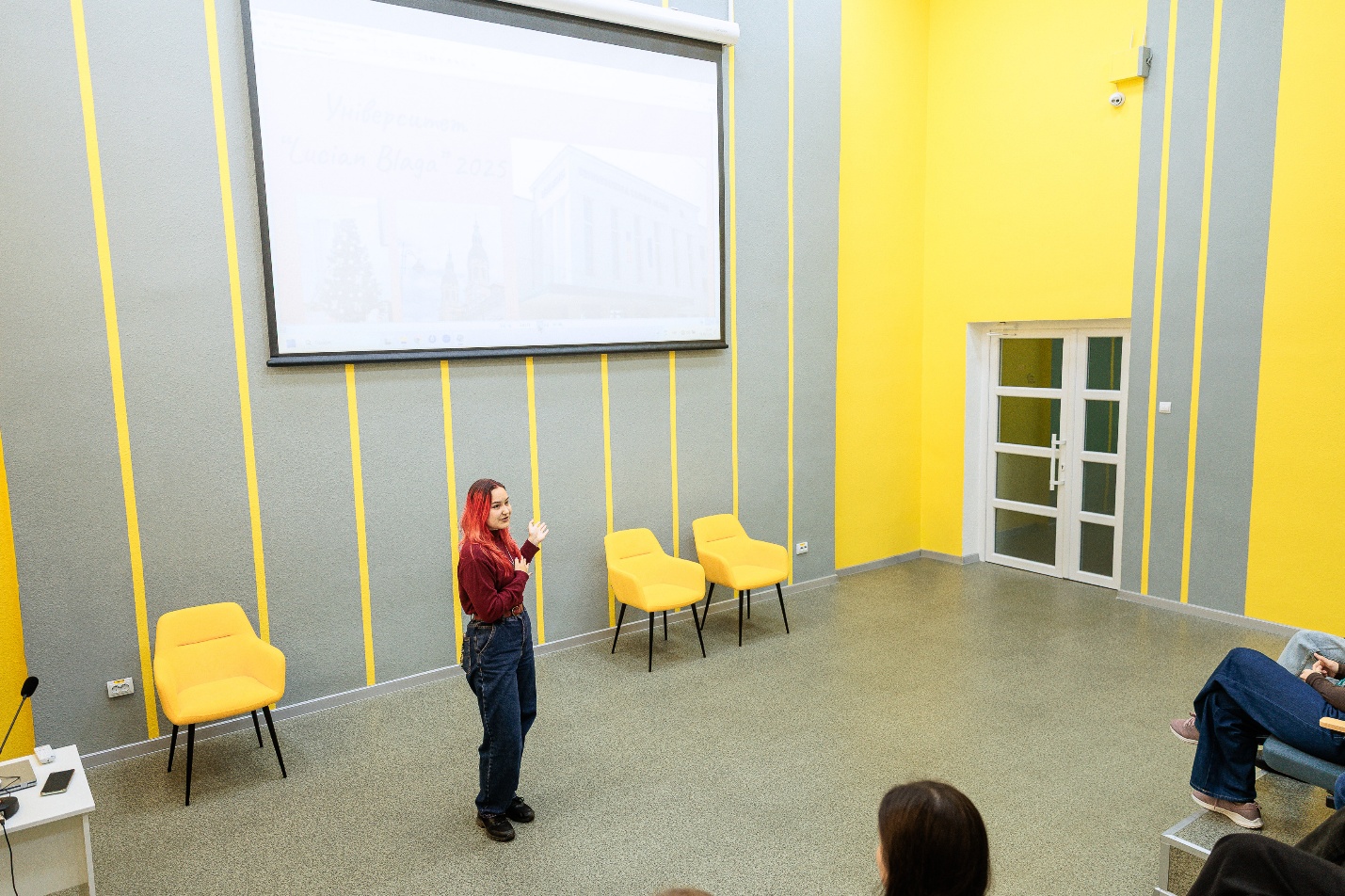
Translation student Iryna Pastushenko delivered a dedicated presentation detailing the unique combination of university-level academic study and non-formal European education, reflecting on her participation in two distinct Erasmus+ projects in Romania and Germany. The first milestone of her international pathway was a study semester in 2025 at Lucian Blaga University of Sibiu. The speaker openly acknowledged that this experience provided her first extensive opportunity for daily, authentic English-language communication with professors and peers from various continents. Iryna captivated the audience with vibrant photographs of Sibiu’s historic centre, bustling seasonal fairs, social gatherings with newly made friends, and excursions across the Carpathian Mountains and Transylvanian fortresses. Her second, short-term yet highly intensive international experience was a 2026 youth exchange in Wiesbaden, Germany, dedicated to the circus arts. Project participants lived at the Jugend-Natur-Zeltplatz campsite, where they spent an intensive week learning basic circus skills: performing on aerial silks suspended directly from aged tree branches, juggling various objects, balancing on rola-bola boards and cylinders, constructing complex acrobatic pyramids, and mastering stage presence. According to Iryna, this week was an outstanding lesson in teamwork, interpersonal trust, and overcoming inner doubts, culminating in a joint final showcase for the public.

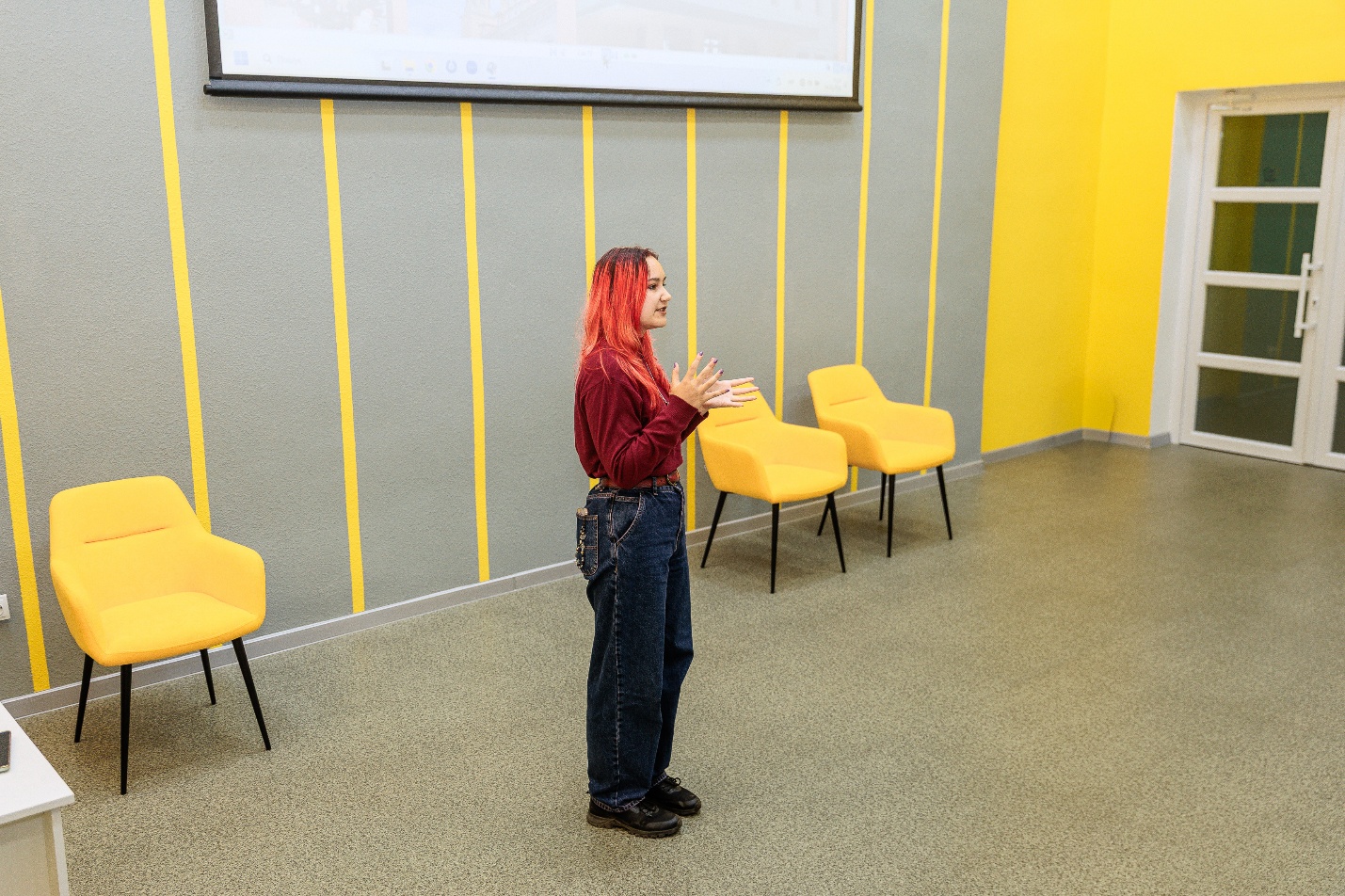
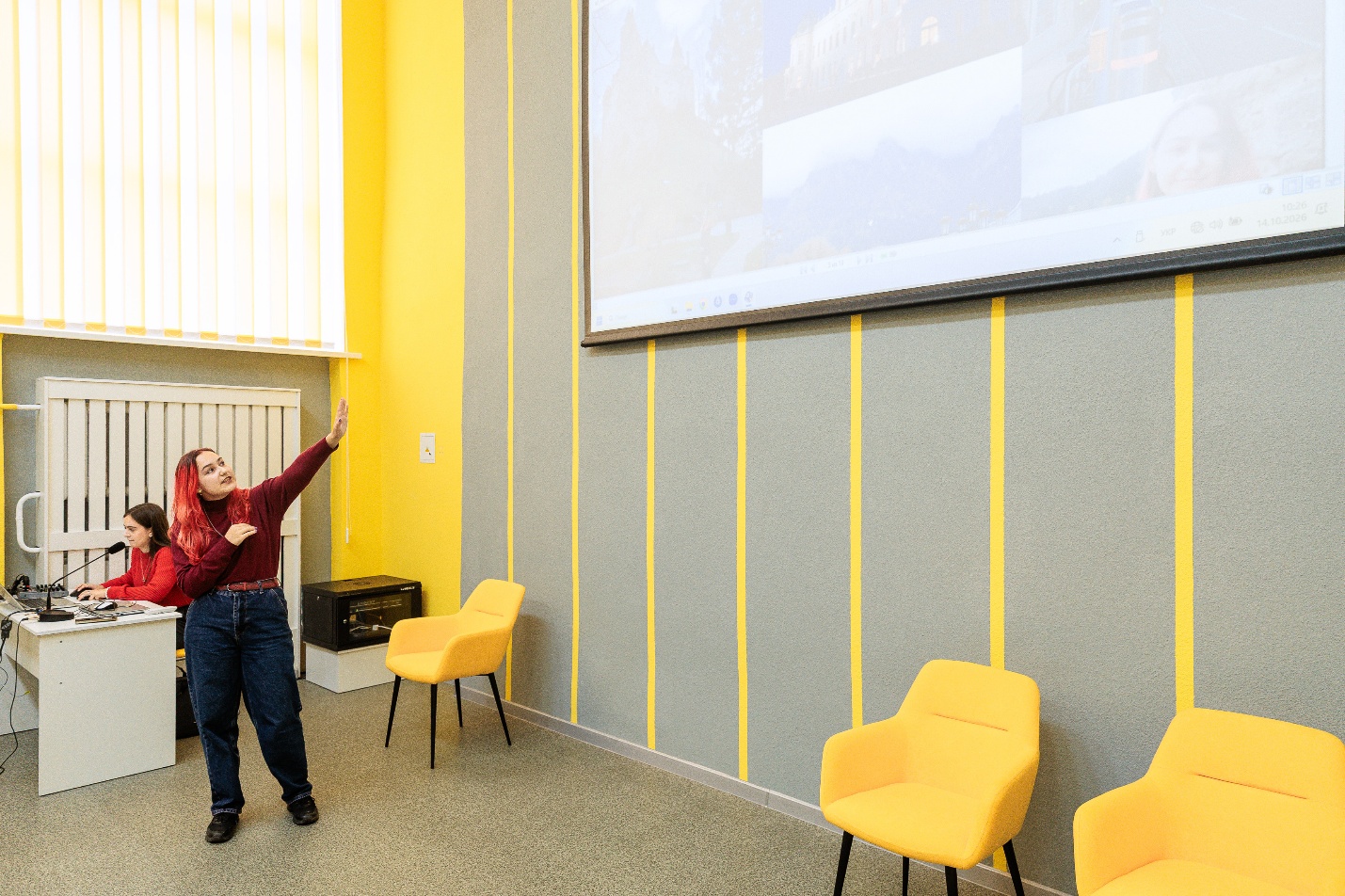
Group 401-FF student Anna Onopriienko also delivered an inspiring presentation, showcasing her extensive portfolio of international engagements under the expressive motto “Our best trip!”. During her studies at the Polytechnic, Anna participated in several European youth projects across Romania, Portugal, and Greece, as well as two educational trips to Italy. A cornerstone of her professional development was an international workshop in Rome within the Erasmus+ KA220-ADU project “TRUST”, where young participants collaborated with researchers to examine music- and drama-based art therapy methods to support war-affected individuals. The speaker highlighted that active participation in Erasmus+ initiatives fosters comprehensive personal and professional development: it fundamentally improves linguistic and intercultural competence, broadens professional networks, and enhances resumes with European-recognised certificates. Anna concluded her address with a motivational maxim, emphasising that opportunities cannot pass through closed doors; therefore, the only decisive step a student must take is to dare to open them and welcome the world into their life.
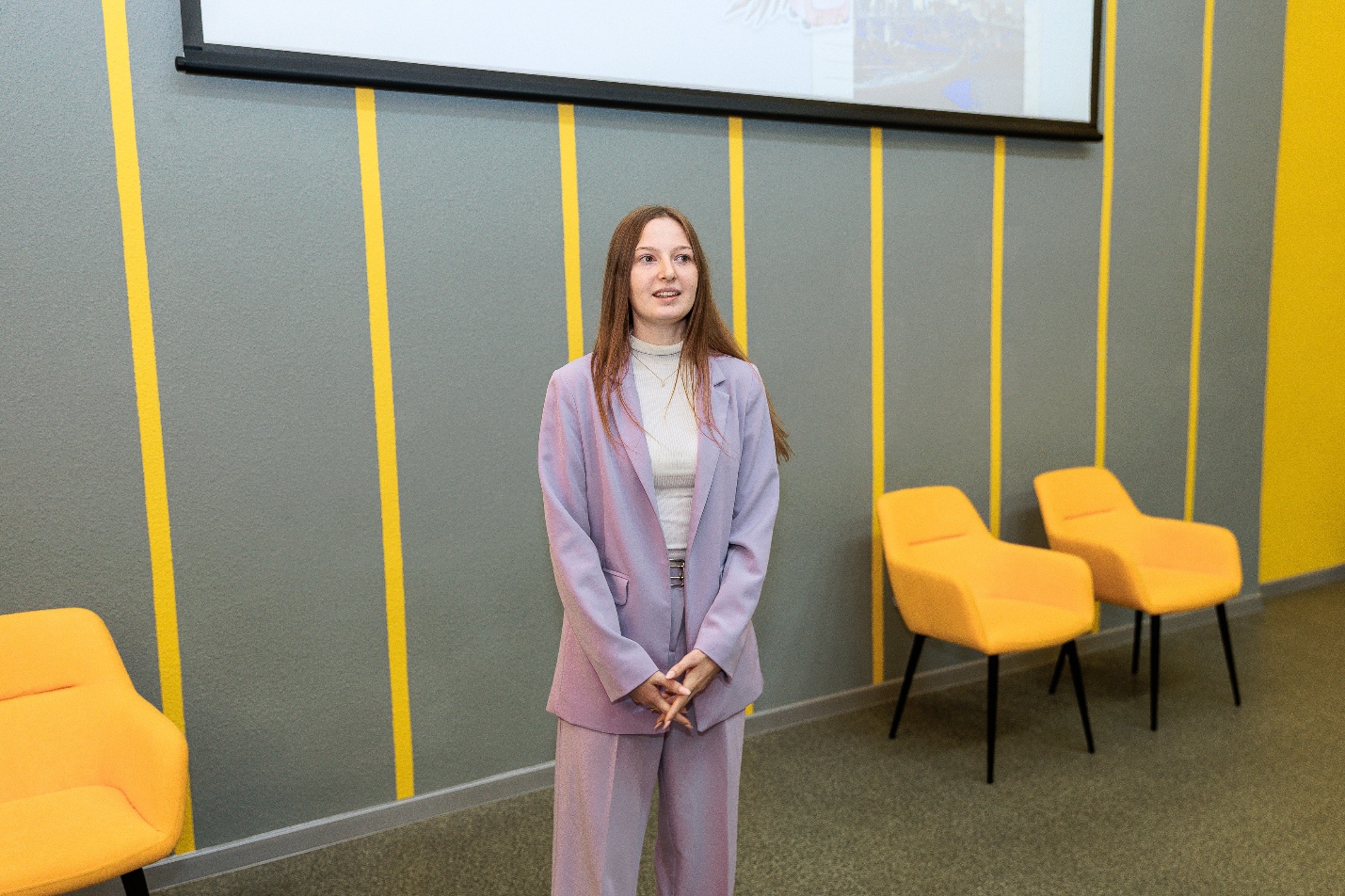
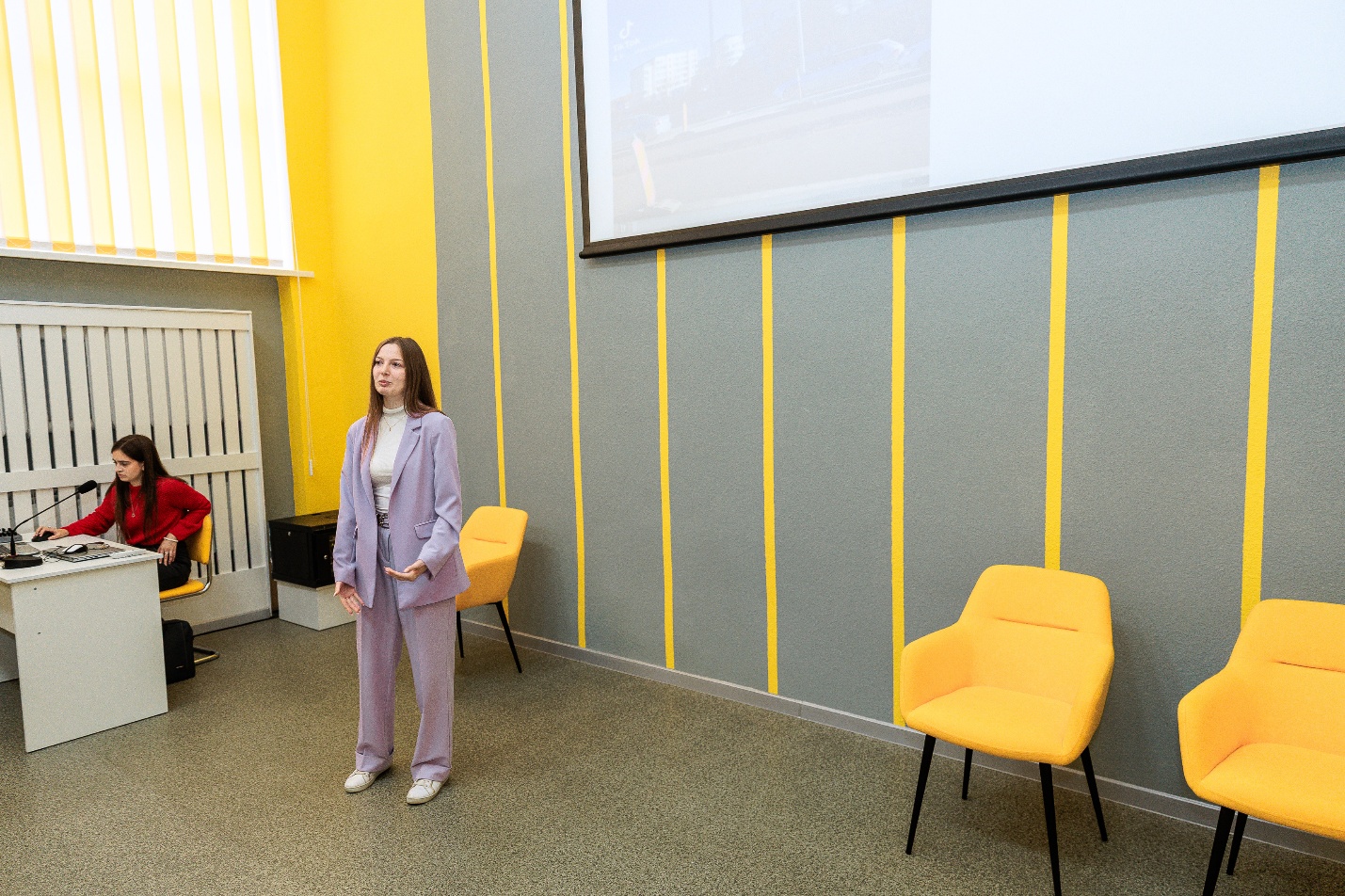
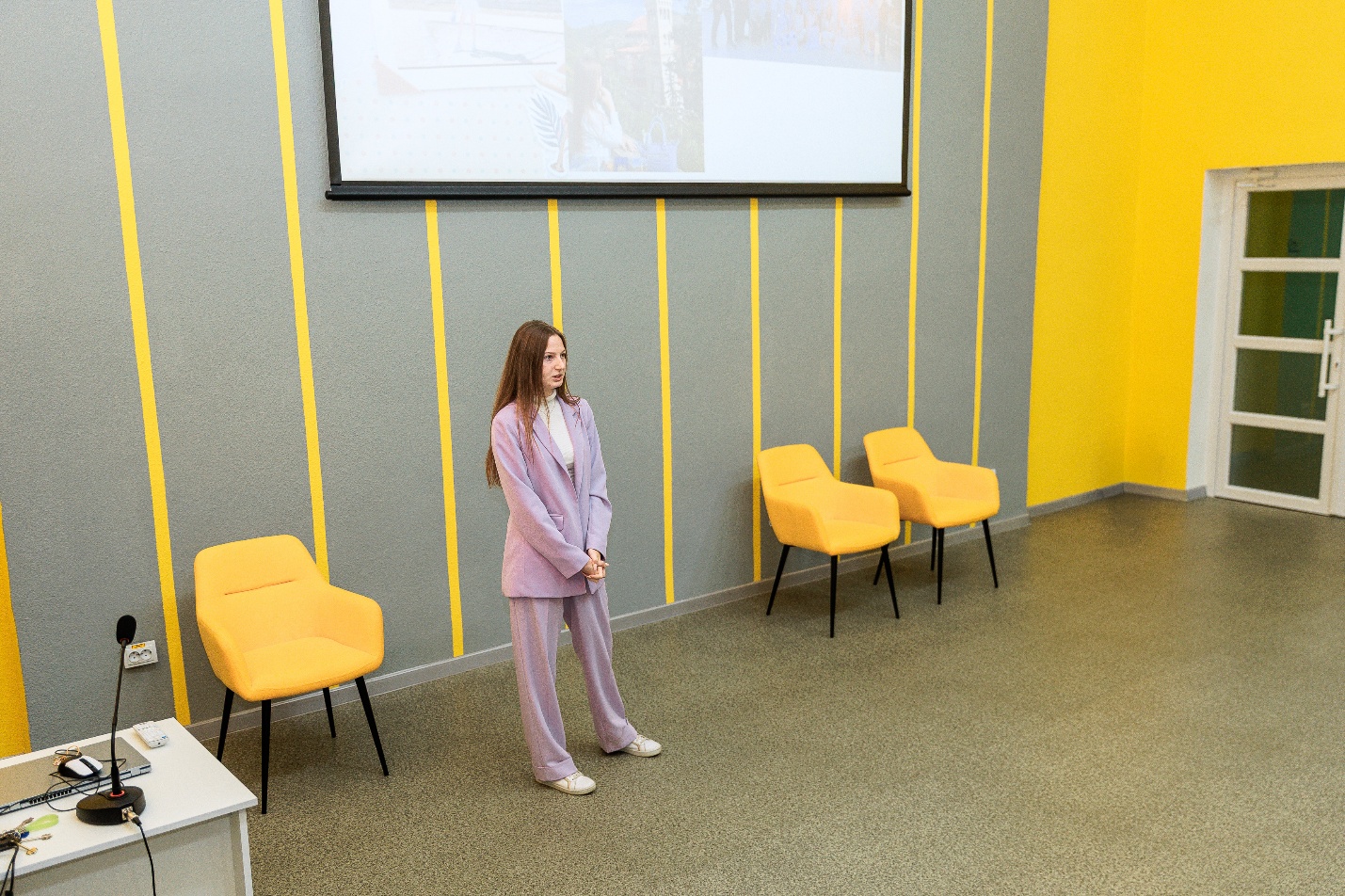
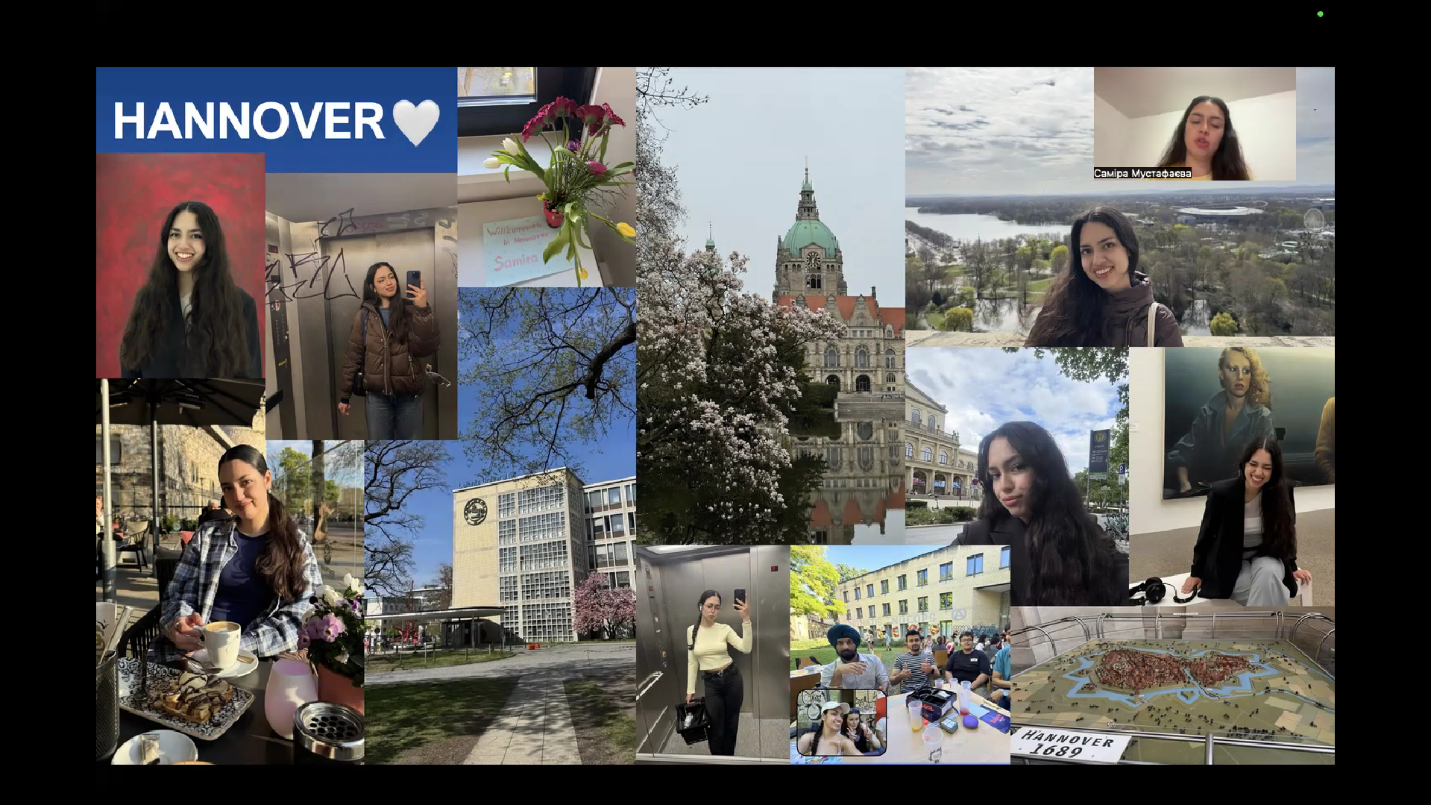
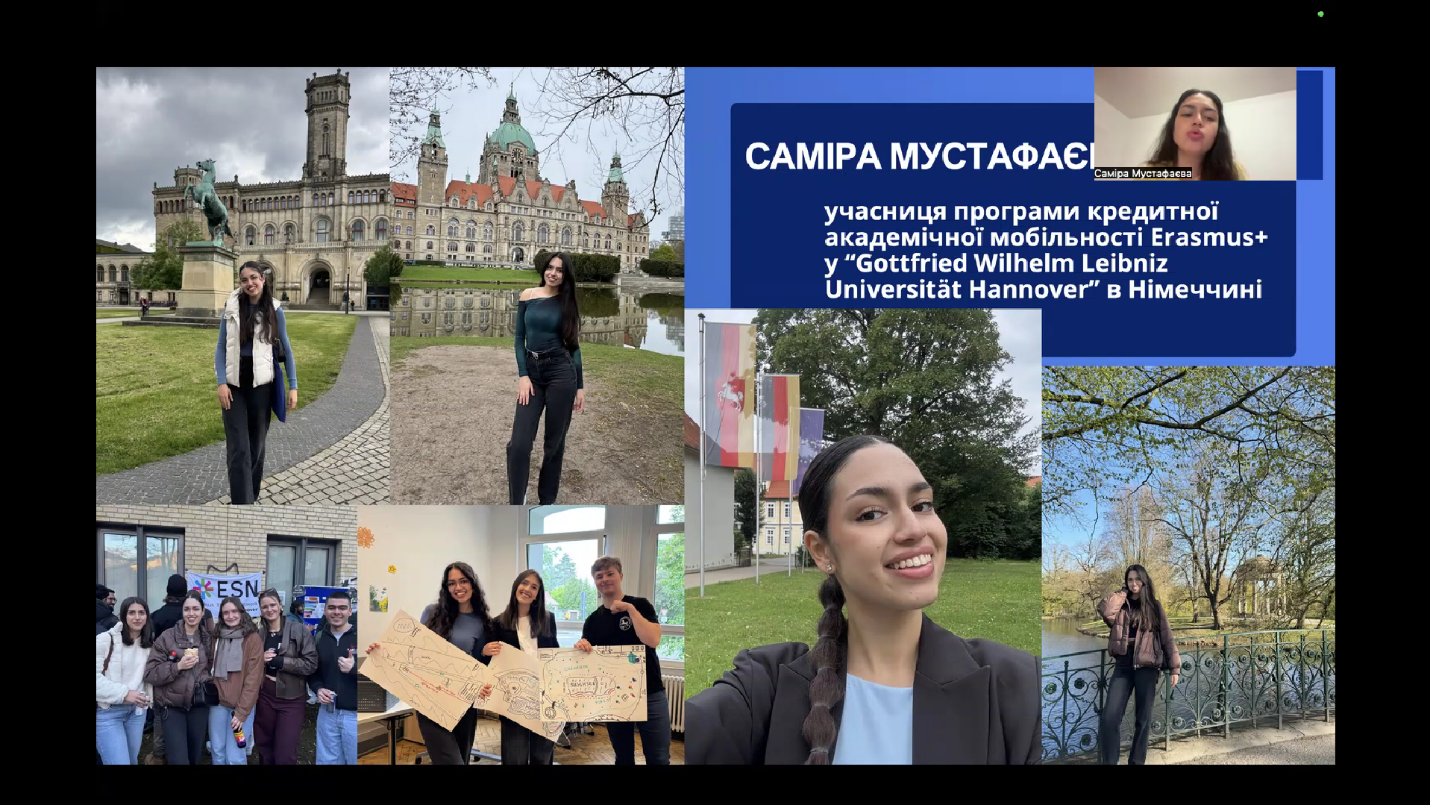
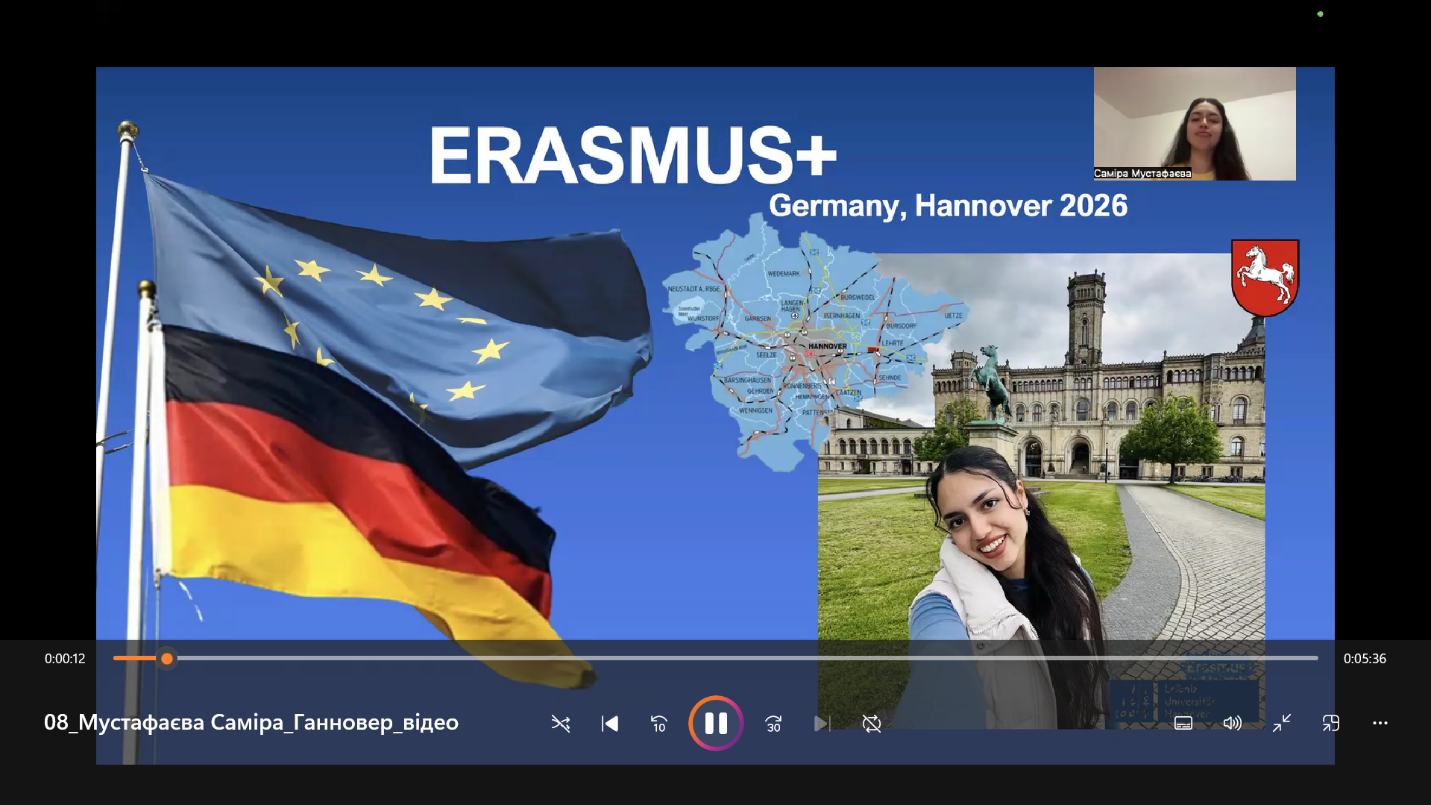
Samira Mustafayeva, a graduating student majoring in “Secondary Education (English Language and Foreign Literature)”, presented a video report on her credit academic mobility experience at Leibniz University Hannover (Leibniz Universität Hannover) in Germany. She emphasised the host institution’s academic standards, high degree of student autonomy, and flexible individual curriculum, through which she completed courses such as “Advanced Composition”, “All the Places We Will Go”, and “Classroom Analysis”. Samira’s most notable pedagogical achievement was independently planning and delivering an integrated English lesson for upper-secondary school students at a Hannover gymnasium within an international team of German and Spanish colleagues. She also highlighted the supportive atmosphere of Welcome Week, comfortable dormitory facilities, and numerous educational excursions to Berlin, Cologne, Bremen, and Hamburg, made accessible via the unified nationwide student transit pass, the Deutschlandticket.
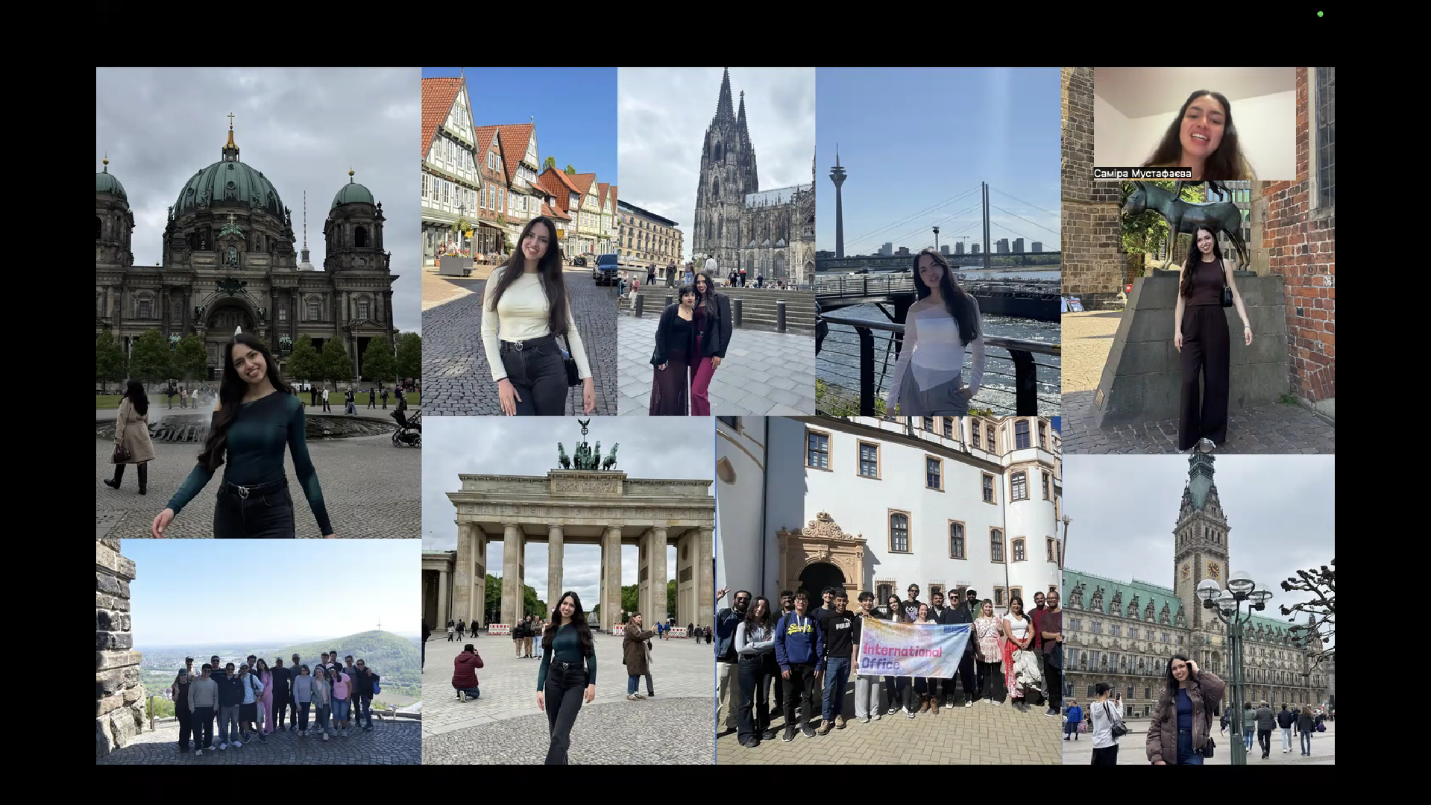
During the event, the audience was also introduced to numerous other achievements of the faculty’s students: master’s student Vladlena Demikhina’s studies at the Complutense University of Madrid in Spain; Yelyzaveta Dubynka’s interdisciplinary achievement combining philology with visual arts through her solo digital painting exhibition “Allegory of Nature” at the Alba Iulia City Hall; Valeriia Dubovyk’s volunteering service under the European Solidarity Corps (ESC) in Bergolo, Italy; and prospective psychologist Kateryna Manzhali’s participation in the Study Tours to Poland program in Łódź.
The event concluded with an interactive Q&A session, during which first-year and senior students asked about the nuances of the competitive selection process, motivational letter requirements, Europass-standard CV writing, course selection guidelines, and scholarship distribution. The open, constructive discussion reaffirmed to attendees that international academic mobility programs at Poltava Polytechnic offer a tangible, accessible opportunity for every dedicated student, providing European experience that broadens horizons for personal development and an international career.