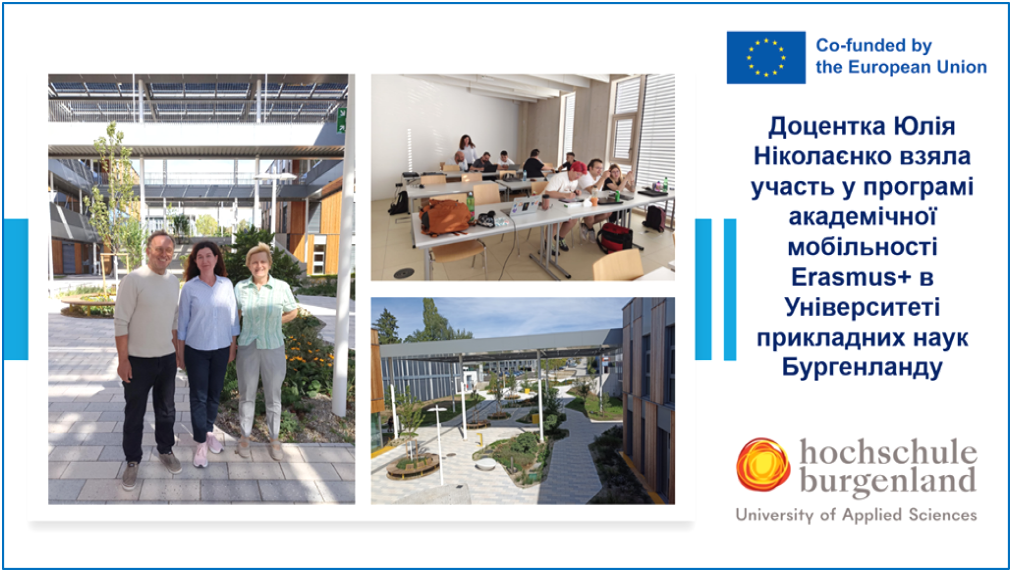
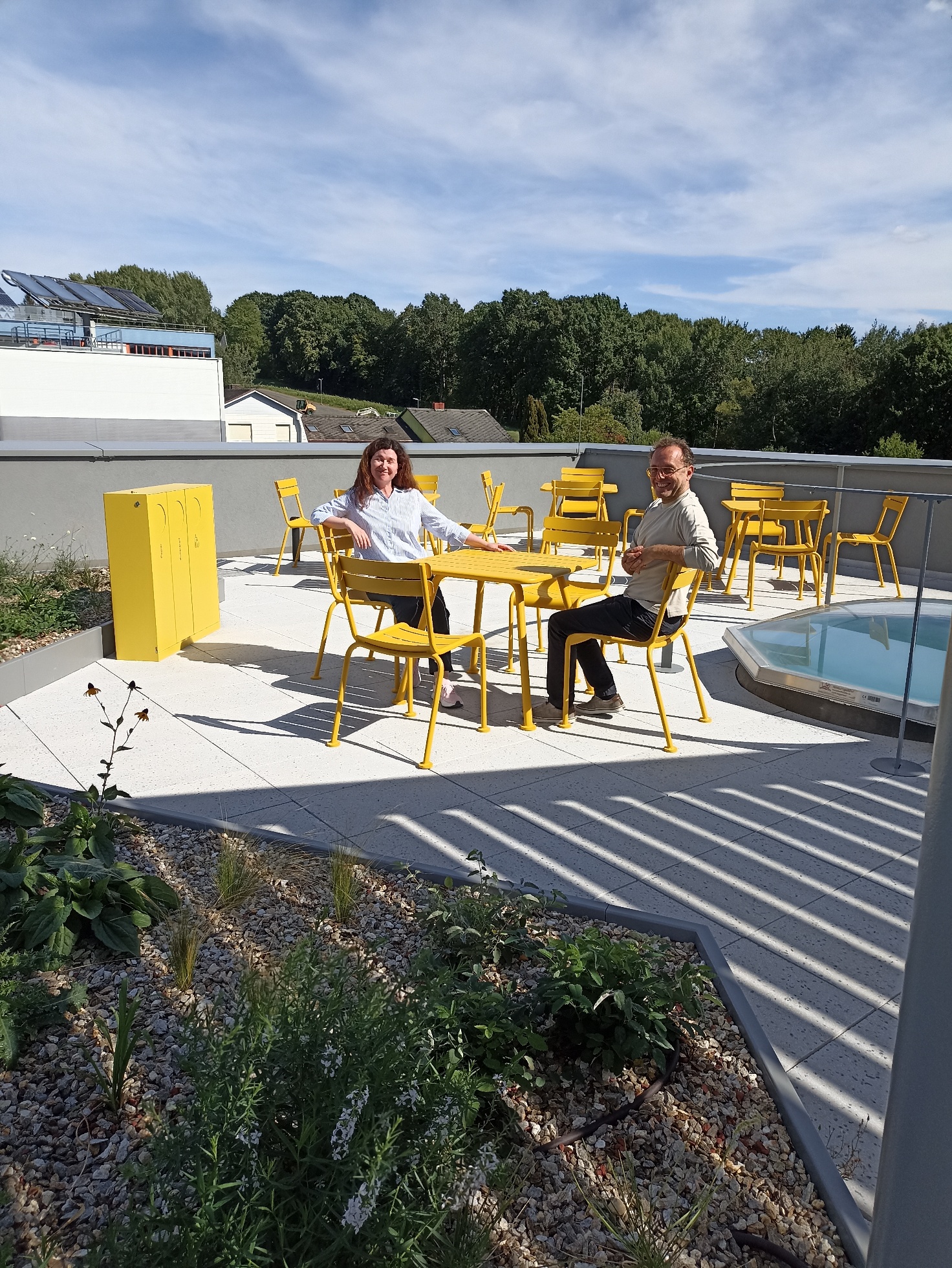
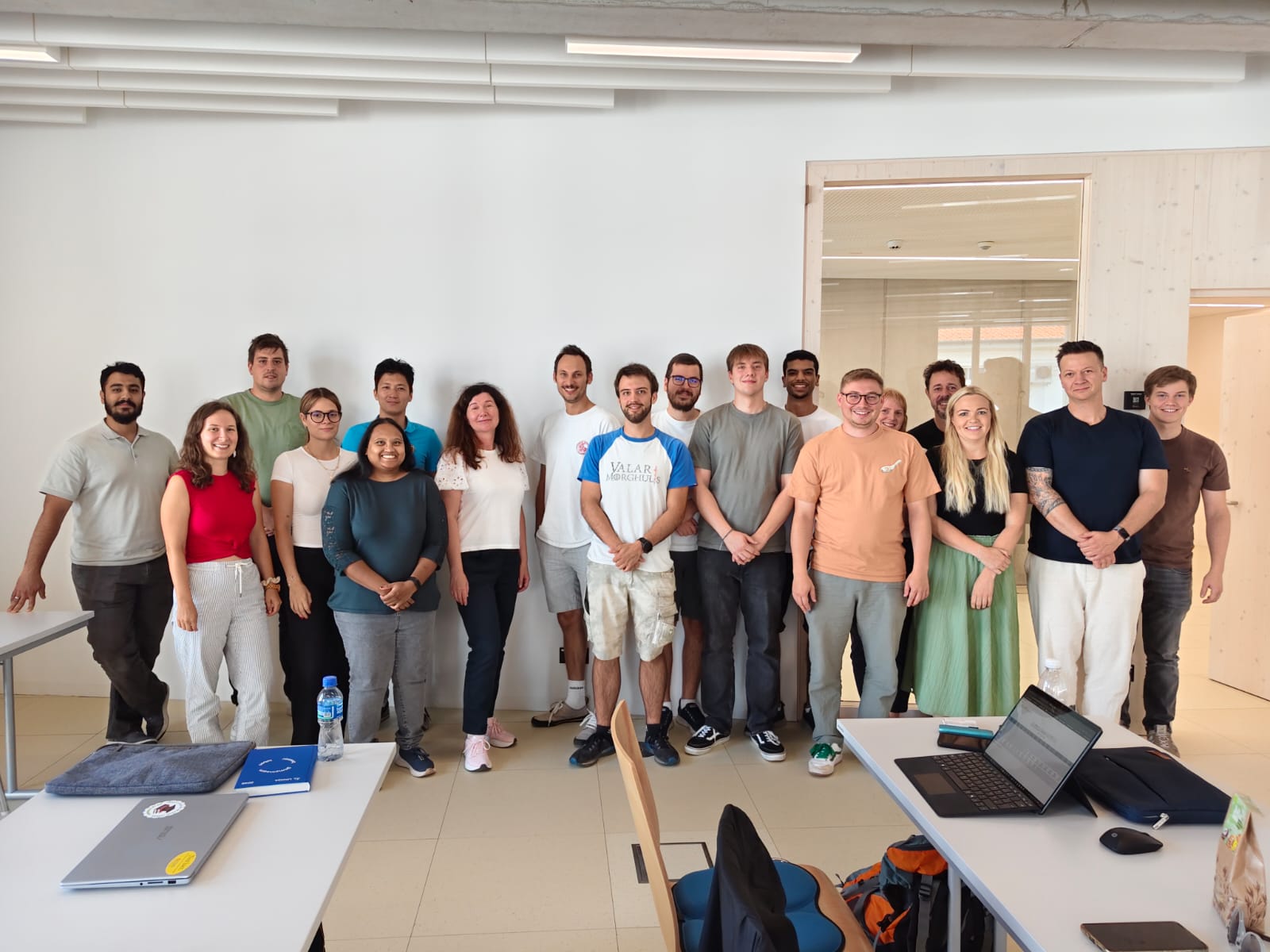
From August 31 to September 05, 2026, Yuliia Nikolaienko, Candidate of Pedagogical Sciences, Associate Professor of the Department of Germanic Philology and Translation, took part in the Erasmus+ KA171 international academic mobility program for teaching staff at the University of Applied Sciences Burgenland (Hochschule Burgenland) in the picturesque Austrian town of Pinkafeld. The visit’s agenda was intensive, featuring lectures, meetings with Austrian colleagues, and experience-sharing sessions.
The University of Applied Sciences Burgenland (Hochschule Burgenland) is rightly recognised as one of Austria's most progressive educational and scientific hubs, with an academic model that exemplifies a strong theoretical foundation and an uncompromising, practice-oriented approach. The institution's educational philosophy closely aligns with the real demands of the European labour market and the concept of lifelong learning. Operating across two complementary locations – the federal province's historic capital of Eisenstadt and the innovative technological town of Pinkafeld – the university delivers high-quality interdisciplinary training across five strategic fields: spanning economics, management, and IT to energy, environmental safety, healthcare, and international communications.
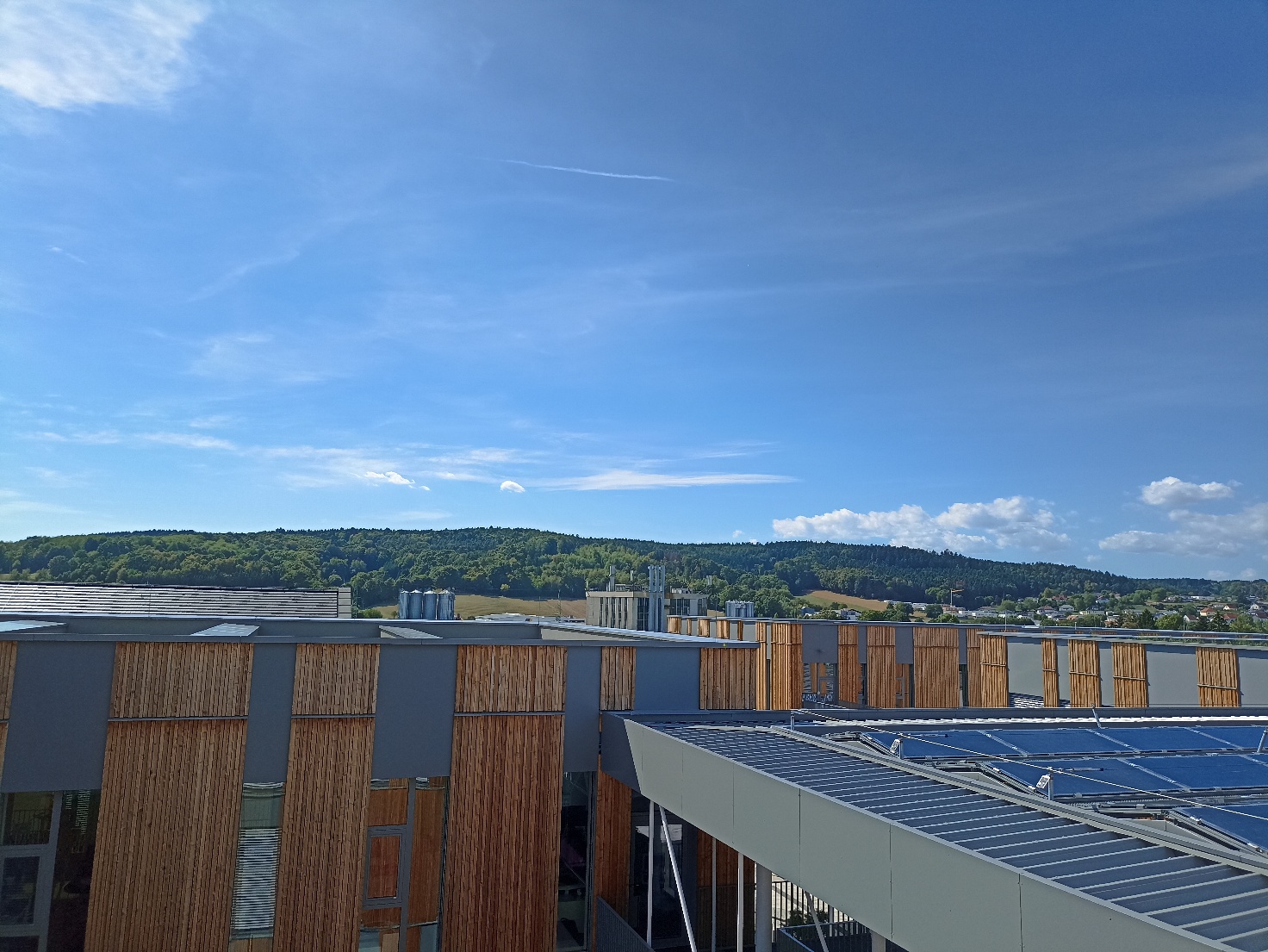
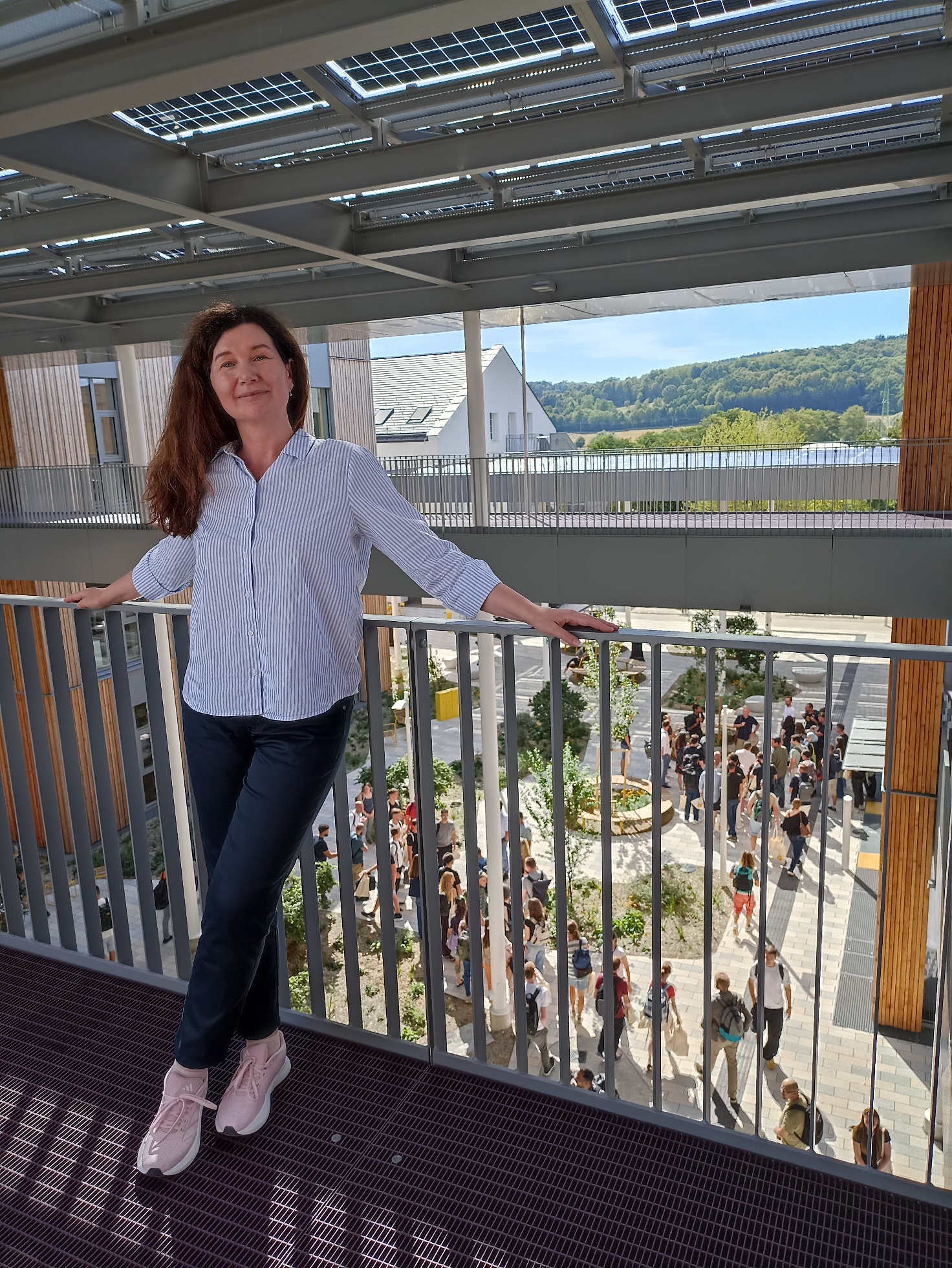
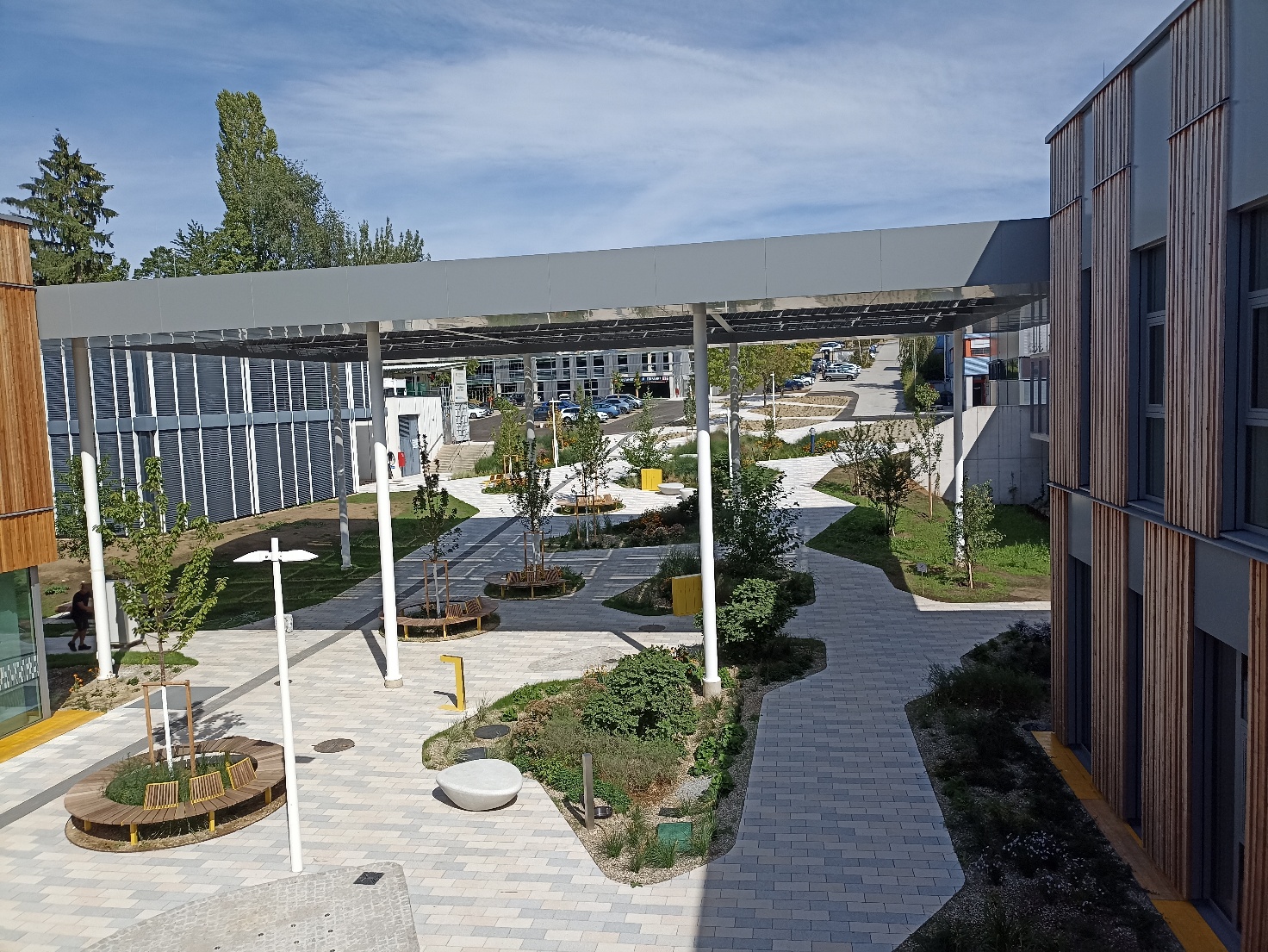
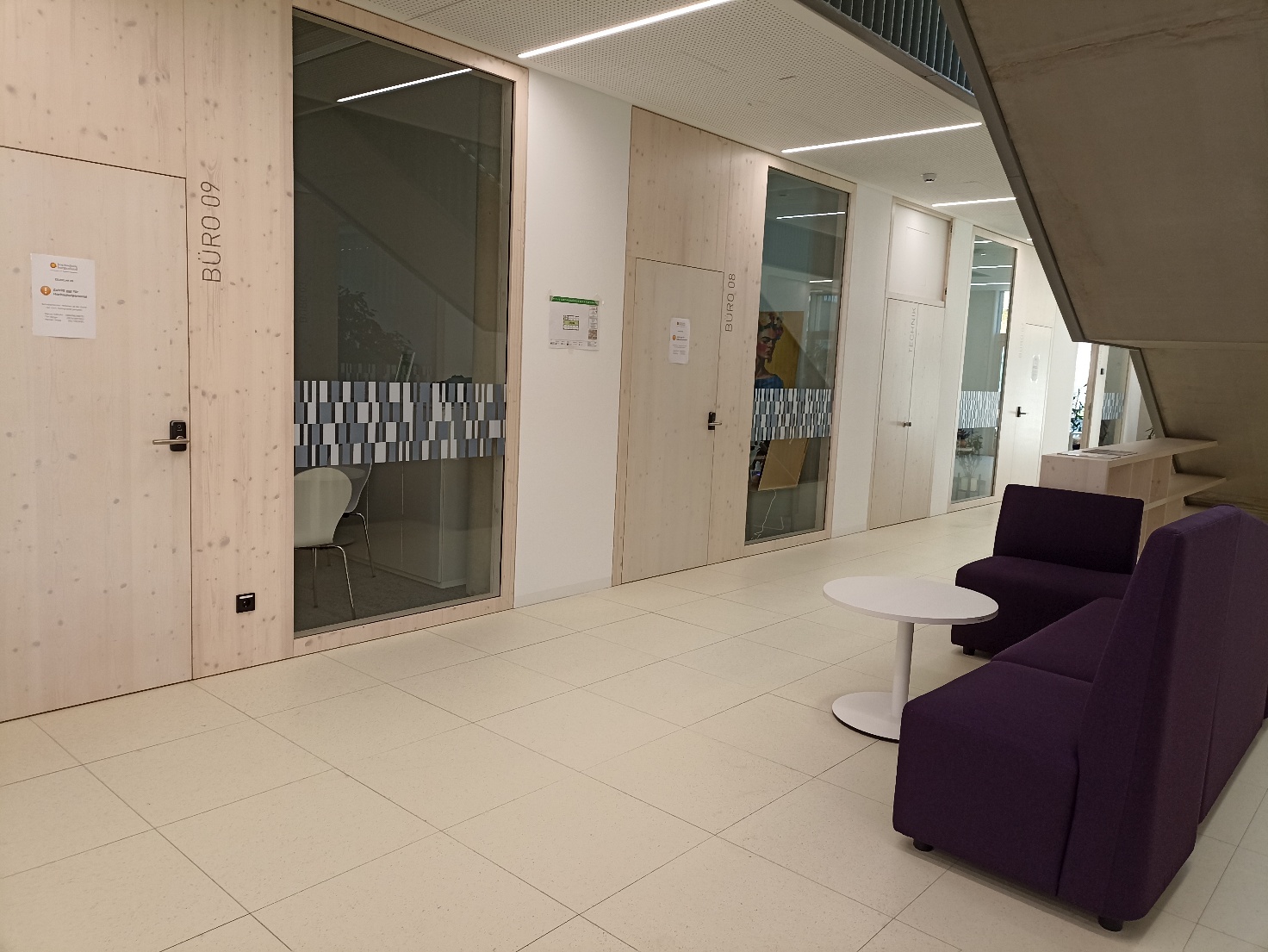
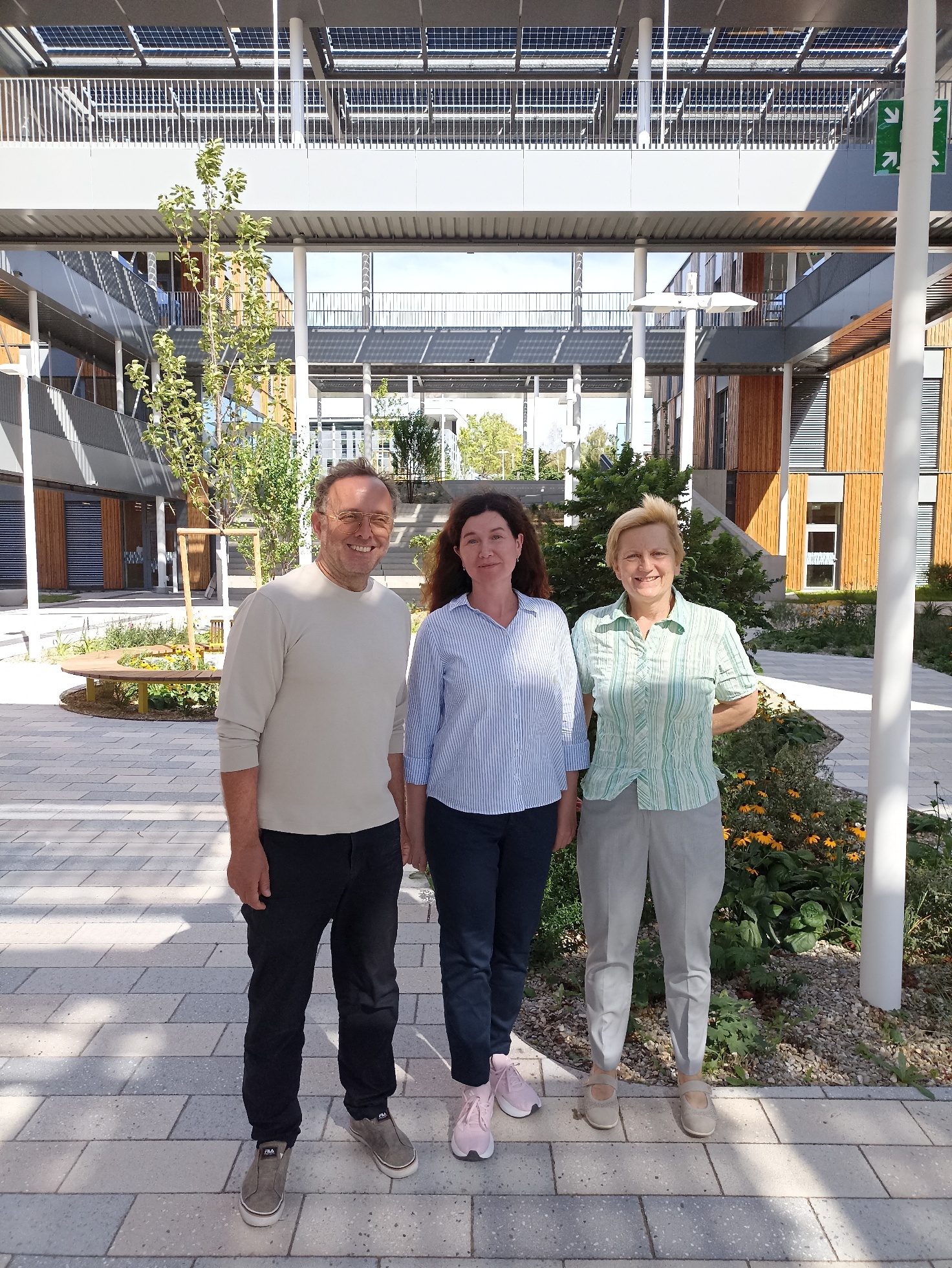
A genuine source of professional inspiration during the mobility period was the Pinkafeld campus's cutting-edge infrastructure. Notably, the program took place within the new flagship building covering over 10,000 m², which opened its doors to the academic community in early September 2026. This state-of-the-art architectural complex embodies the European Green Deal and the concept of sustainable development in an educational environment: the facility was built to the highest energy-efficiency standards and boasts a near-zero-carbon footprint. The building's operations are fully powered by renewable energy sources – a high-capacity photovoltaic power plant whose solar panels cover almost the entire roof, an advanced geothermal heating and cooling system, and an exclusive connection to a green electricity grid.
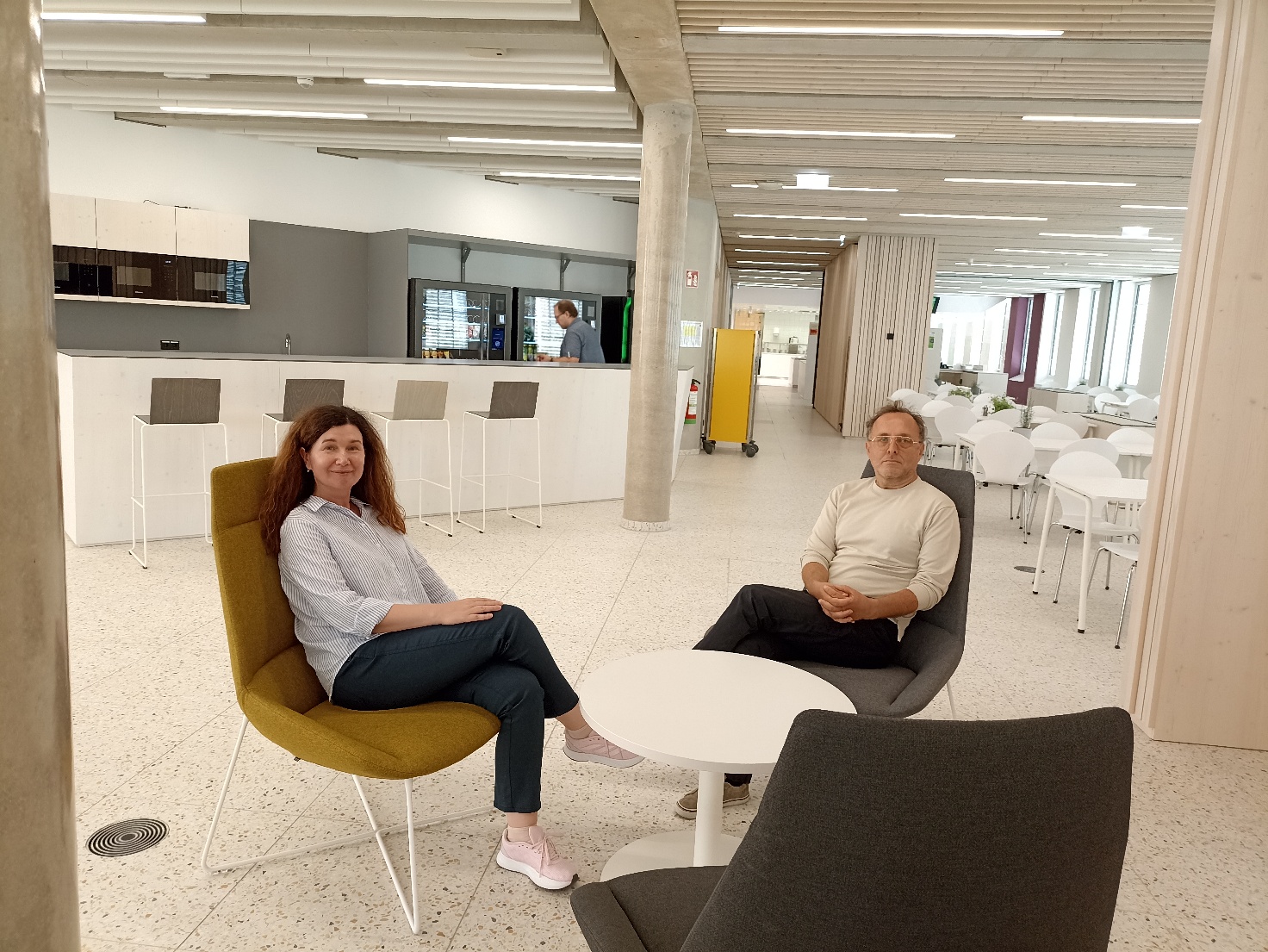
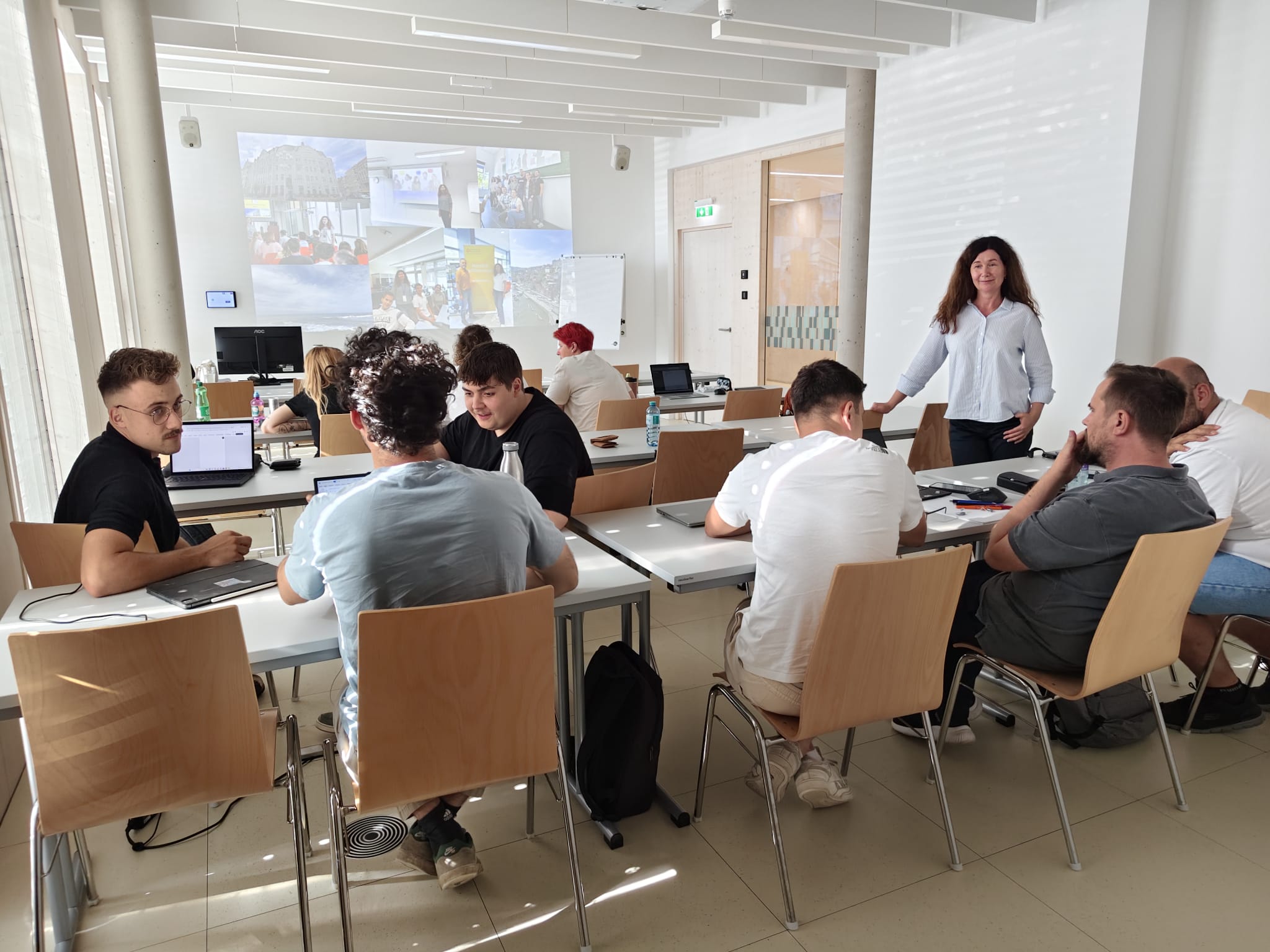
The campus interior stands out for its well-thought-out ergonomics, human-centred design, and readiness for the challenges of the digital age. The campus has established a comprehensive, innovative ecosystem for faculty and students: high-tech research laboratories, simulation centres for modelling professional scenarios, and creative hubs and coworking spaces for team projects and startup incubation. Next-generation lecture halls feature intelligent multimedia suites that seamlessly support hybrid learning formats, enabling real-time integration of international guest speakers. A modern library with open access to international databases, alongside comfortable recreational spaces, seamlessly complements the environment, fostering optimal conditions for productive scholarly communication, idea generation, and intercultural dialogue.
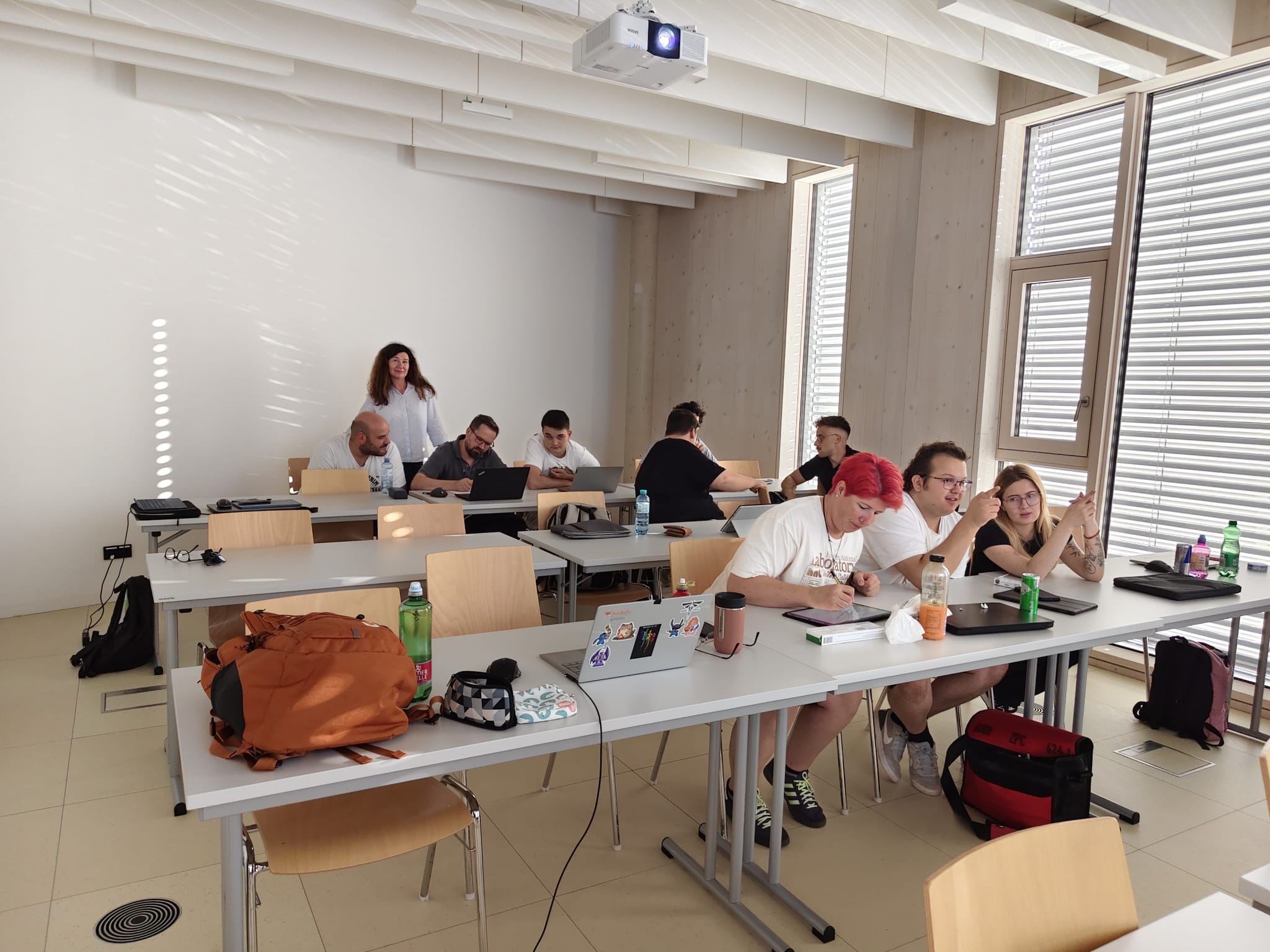
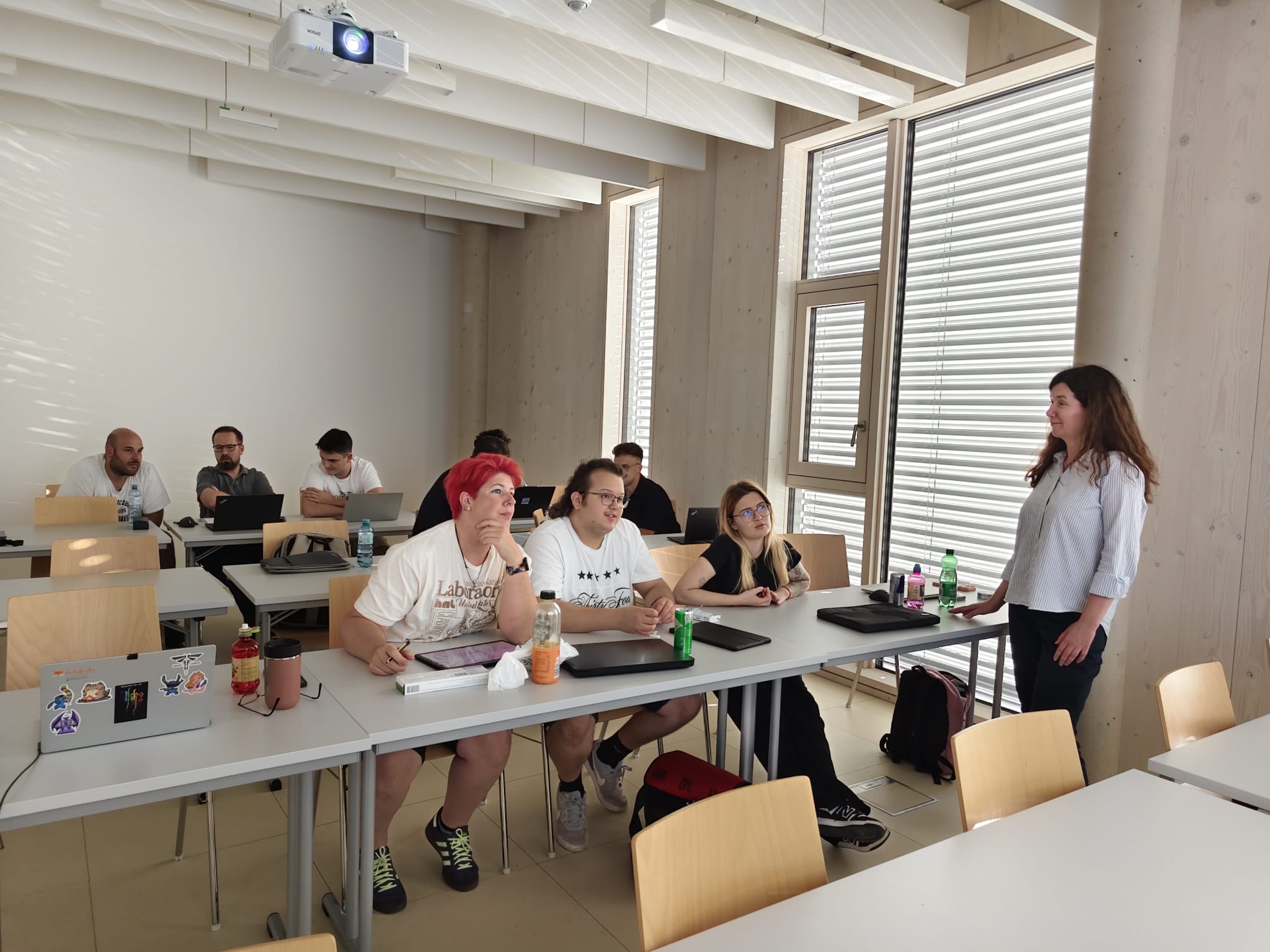
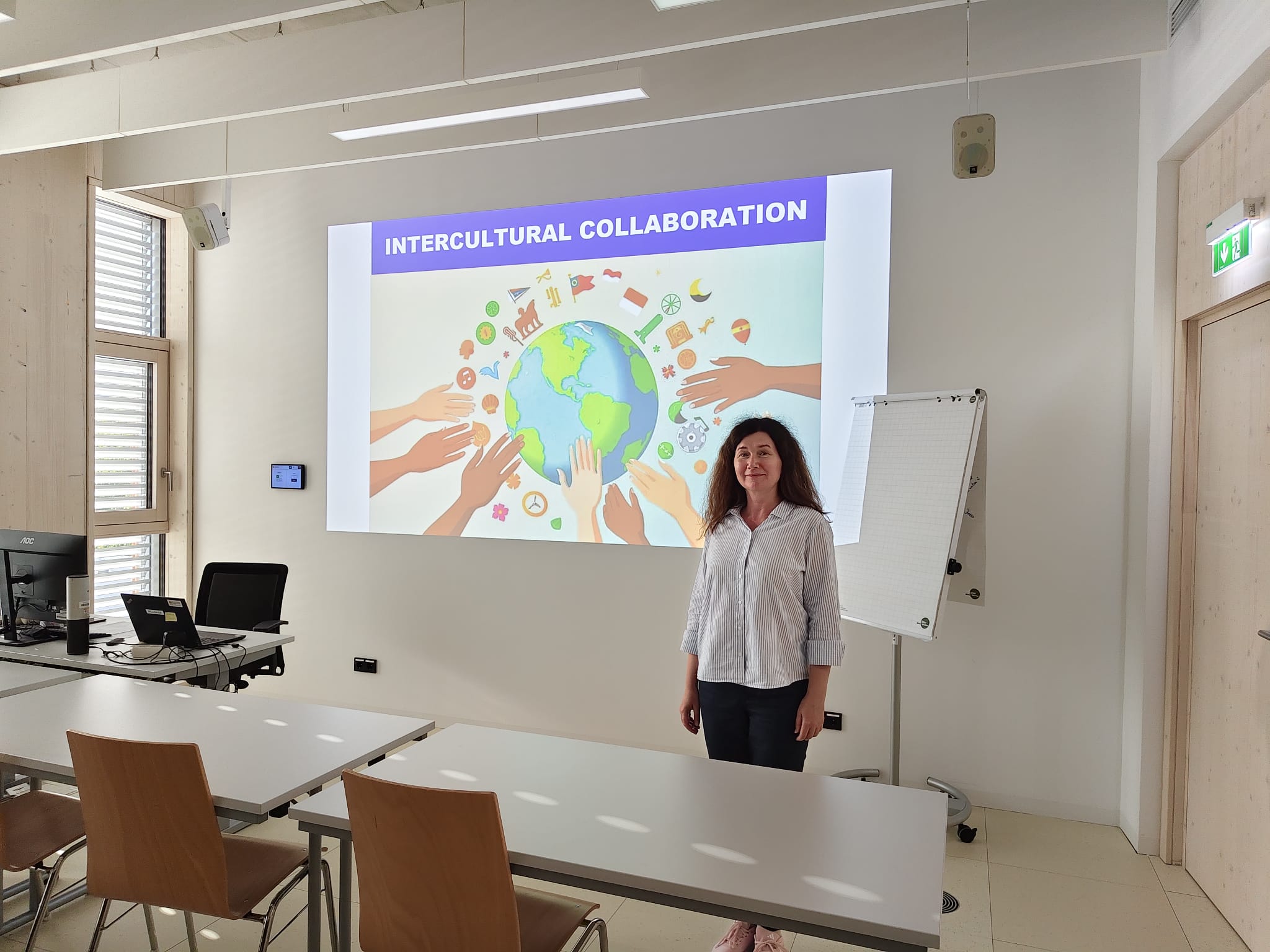
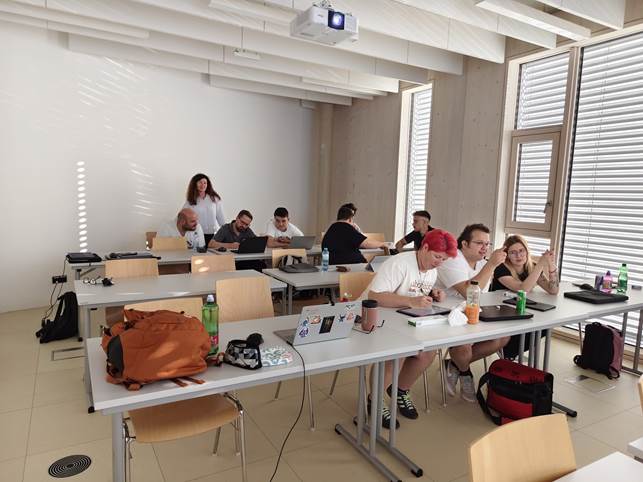
Within the mobility program, Yuliia Nikolaienko delivered a series of lectures and practical sessions for the “Intercultural Collaboration” course for third-year undergraduate students at the Faculty of Energy and Environment. The course curriculum covered the theoretical foundations of communication (analysing models of intercultural interaction in the era of globalisation and digitalisation) and practical case-study methods (examining real-world cases of overcoming linguistic and cultural barriers in a multicultural environment).
The practical lecture module dedicated to the comparative analysis of Austrian and Ukrainian cultural models sparked special interest and lively discussions among the students. Employing modern pedagogical techniques, the lecturer, together with the students, explored the distinct mindset and communicative patterns of both nations:
• The students closely examined Austrian punctuality and structured planning, where time is viewed as linear and strictly regimented. In contrast, the Ukrainian approach was analysed as more flexible, adaptable to rapid changes, and oriented toward context and present interpersonal relationships.
• Course participants compared the Austrian orientation toward flat hierarchies, egalitarianism, and a distinct work-life boundary with traditional Ukrainian values characterised by stronger collective bonds, mutual assistance, and professional relationships that often evolve into genuine friendships.
This interactive format enabled European students not only to gain deeper insight into the socio-cultural profile of contemporary Ukraine, but also to dismantle numerous stereotypes. Austrian colleagues commended the Ukrainian lecturer's high level of English proficiency, innovative instructional methodologies, and the practical value of the facilitated panel discussions.
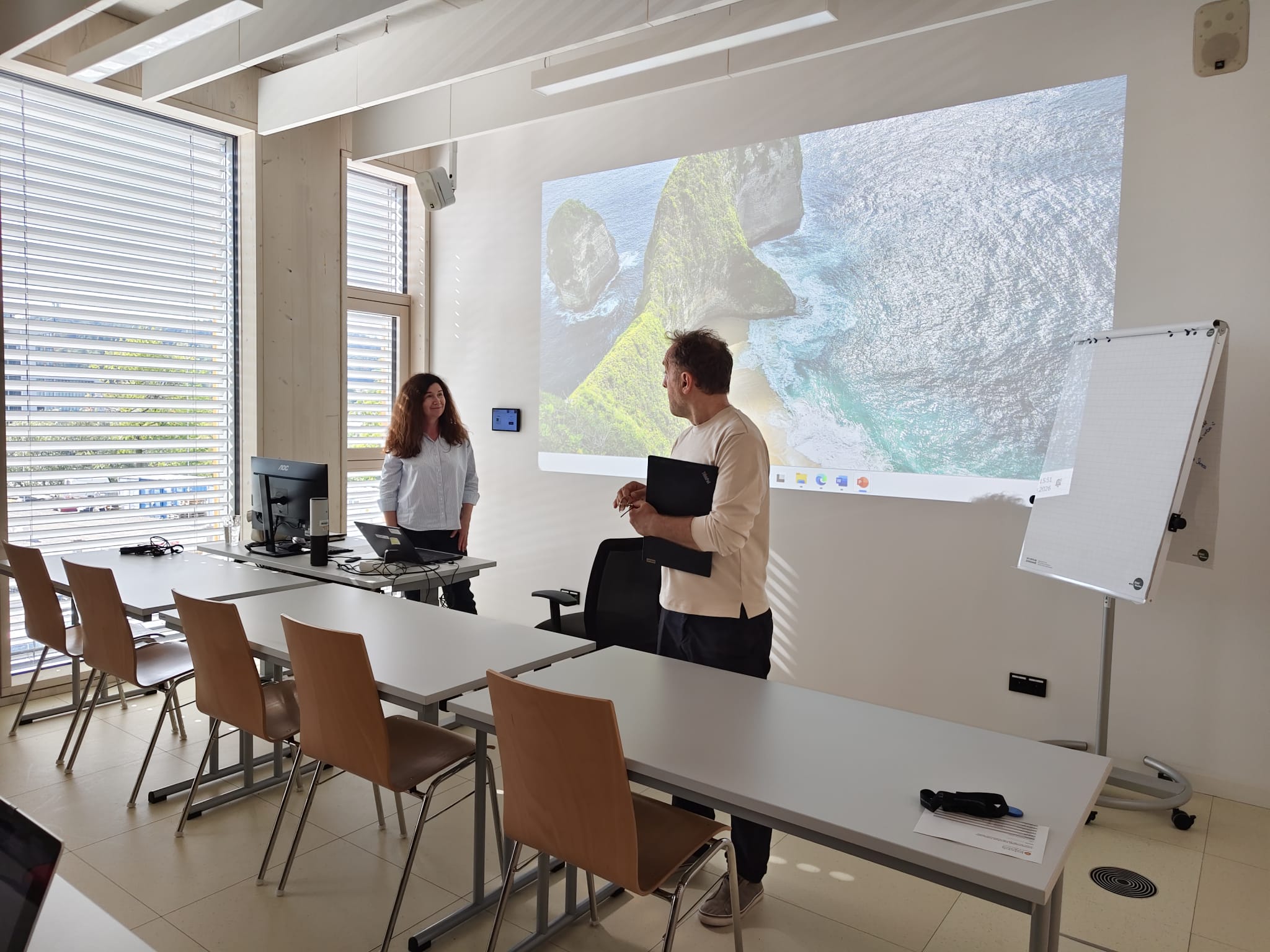
Alongside her teaching commitments, Yuliia Nikolaienko held a series of working meetings, notably with the international mobility coordinator, English language instructors, and the leadership of the Faculty of Energy and Environment at the Austrian university. During the talks, the parties discussed in detail:
• prospects for expanding mobility pathways for Poltava Polytechnic students and faculty;
• opportunities for participation in scientific and practical conferences;
• continuation of the successful practice of conducting joint online classes aimed at developing intercultural competence for students of Poltava Polytechnic and the University of Applied Sciences Burgenland.
“These six days of my academic mobility were extremely rewarding and dynamic, as I had the honour of teaching the “Intercultural Communication” course to an incredible, open-minded, and motivated audience. Interacting with students and colleagues from the University of Applied Sciences Burgenland once again proved that language and culture unite people, dismantling boundaries. I returned to Ukraine with vivid impressions of Austria, ideas for delivering lectures and seminars, insights into designing new courses to foster students' intercultural communication skills, and new professional connections with Austrian peers. I extend my sincere gratitude to the administration of Poltava Polytechnic for the opportunity to take part in international mobility programs and for their ongoing support of faculty professional development”, – noted Yuliia Nikolaienko.
“International openness and systemic integration into the European educational and scientific area are strategic priorities of Poltava Polytechnic, which we consistently pursue even in the most challenging times. The success of each such program and the sustainability of our partnerships, particularly with the University of Applied Sciences Burgenland, are direct results of the far-sighted policies pursued by our university's leadership. On behalf of the entire International Relations team, we express our sincere gratitude to the President of Poltava Polytechnic, Professor Volodymyr Onyshchenko, and the Rector of the University, Olena Fylonych, for their unconditional support of international activities, progressive vision, bold initiatives, and the creation of unique opportunities for the professional growth of our academic community. Thanks to your trust, openness to global dialogue, and energetic leadership, Poltava Polytechnic maintains an authoritative presence across leading European academic platforms. At the same time, our faculty and students represent Ukraine's intellectual potential with dignity worldwide!” – remarked Anna Pavelieva, International Relations Coordinator of the University, Candidate of Philological Sciences, Associate Professor.
This successful mobility visit once again reaffirmed the high professional calibre of the academic staff at Poltava Polytechnic and opened new horizons for long-term academic collaboration with European partners.
Poltava Polytechnic has been actively cooperating with the University of Applied Sciences Burgenland for more than three years. In the 2023/2024 academic year, Nadiia Kubrak and Anastasiia Arkhypova (Autumn Semester), and Nadiia Kubrak, Anzhelika Didechkina, and Dana Sholokh (Spring Semester) studied at Hochschule Burgenland under the ICM program. In the 2024/2025 academic year, Bohdana Kurylo, Daria Shurdik, and Maryna Kostenko participated in the ICM program there. In the autumn of the 2025/2026 academic year, Sofiia Udovytska took part in a mobility programme at this HEI, and three students studying for a degree in “International Economic Relations” (programme code 292) – Anastasiia Afonkina, Anna Bukka and Maxym Popov – studied at Hochschule Burgenland under the ICM program in spring 2026.
In the spring of 2024, two lecturers from Poltava Polytechnic participated in the Erasmus+ academic mobility program at the University of Applied Sciences Burgenland (Eisenstadt, Austria) and attended International Staff Week 2024. Two other lecturers – Oksana Vorobiova and Yuliia Nikolaenko – received CEEPUS academic teaching scholarships from the Austrian Agency for Education and Internationalisation (OeAD) and delivered lectures at the Hochschule Burgenland. Yuliia Nikolaenko also participated in the Erasmus+ academic mobility program for lecturers in June 2025 and September 2025.
Recently, Yuliia Nikolaenko, together with Martin Jandl, an English language lecturer at the University of Applied Sciences Burgenland, has implemented the innovative COIL project “Intercultural Collaboration: Ukraine and Austria,” which has offered students from both countries a unique opportunity to gain intercultural experience and improve their English skills. Nataliia Bondar, Olena Gaitan and Olena Ivasenko took part in the Erasmus+ academic mobility programme at the University of Applied Sciences Burgenland (Eisenstadt, Austria) and attended International Staff Week 2026.
As a reminder, faculty members of Poltava Polytechnic are eligible to participate in academic mobility and internship programs. Students can study abroad through Erasmus+ credit academic mobility grant programs for a semester or a full academic year at leading universities in Austria, Greenland, Denmark, Estonia, Finland, France, Germany, Greece, Ireland, Italy, Latvia, Lithuania, Luxembourg, the Netherlands, Norway, Poland, Portugal, Romania, Slovakia, Spain, Sweden, the Czech Republicб Сanada and the USA.
For more detailed information on current internship, teaching, and academic mobility programs abroad, please get in touch with the International Relations Office (office 213-C, interoffice@nupp.edu.ua).